44 States Unite to Block Prediction Markets on Sports Bets
A coalition of 44 states has aligned against prediction markets over sports wagering concerns, filing joint comments with federal regulators.
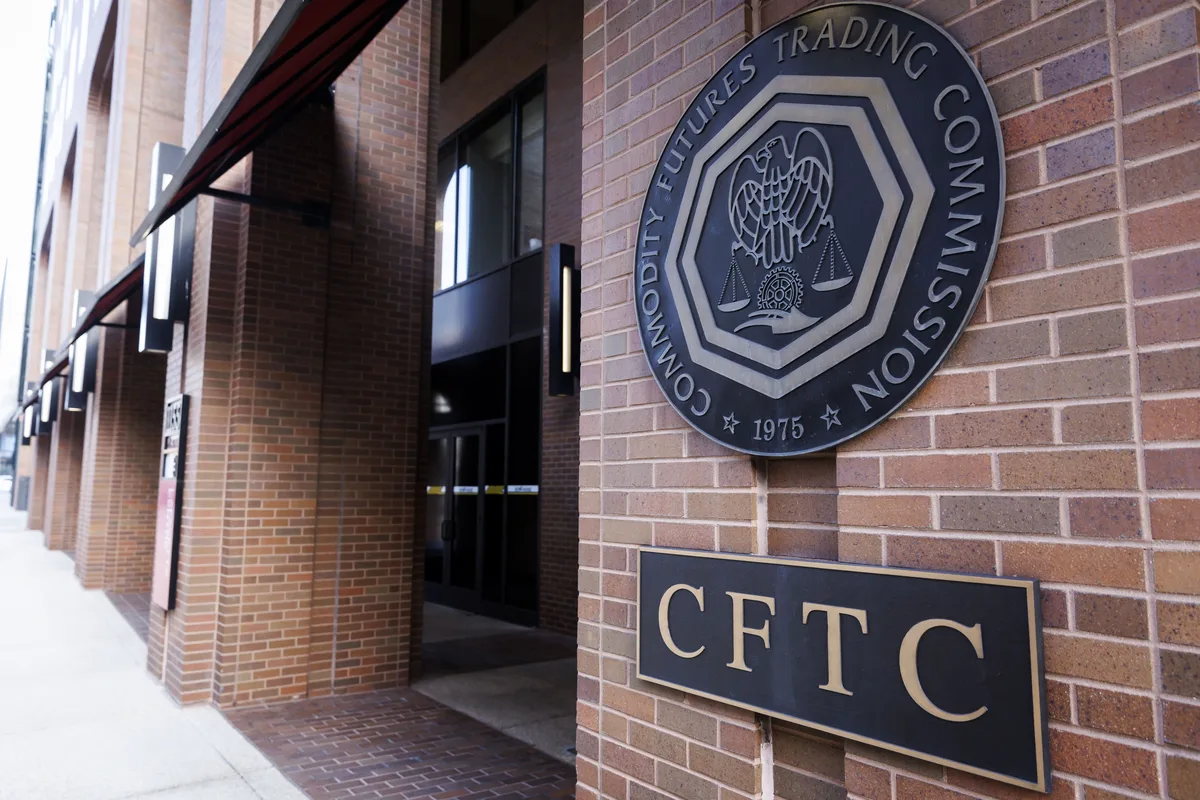
Forty-four states have found rare common ground, jointly opposing the expansion of prediction markets into sports wagering territory as federal regulators weigh new oversight rules. The coalition submitted its unified position during a public comment period opened by the relevant federal commission, signaling broad state-level resistance to what many officials view as an end-run around existing sports betting laws.
The multistate pushback centers on concerns that prediction markets — platforms that allow users to bet on the outcome of real-world events using financial instruments — could effectively replicate sports gambling without being subject to the strict licensing and consumer-protection frameworks that states have built around traditional sports wagering.
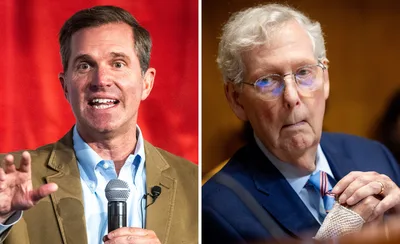
Read more Kentucky Governor Urges McConnell to Prove Fitness or Step Down →
The joint letter was submitted as part of the commission's formal rulemaking process, specifically in response to the first draft of a proposed rule designed to establish how prediction markets should be regulated at the federal level. By filing during the public comment window, states are placing their objections into the official record that regulators must consider before finalizing any rule.
The alignment of 44 states on a single regulatory issue is itself remarkable, reflecting how deeply state governments — regardless of political leanings — have invested in controlling sports betting within their borders. Since the Supreme Court's 2018 decision opening the door to legal sports wagering, dozens of states have built substantial tax revenue streams and regulatory infrastructure around the activity, giving them a powerful financial incentive to defend that turf.
The outcome of the federal rulemaking process could determine whether prediction markets become a parallel, loosely regulated alternative to state-licensed sportsbooks or face restrictions that keep them from encroaching on sports wagering. Continue reading at US Top News and Analysis.