Adobe Earnings Disappoint Wall Street Despite Meeting Targets
Adobe's latest quarterly results failed to excite investors, with analysts signaling that merely meeting expectations is no longer enough.
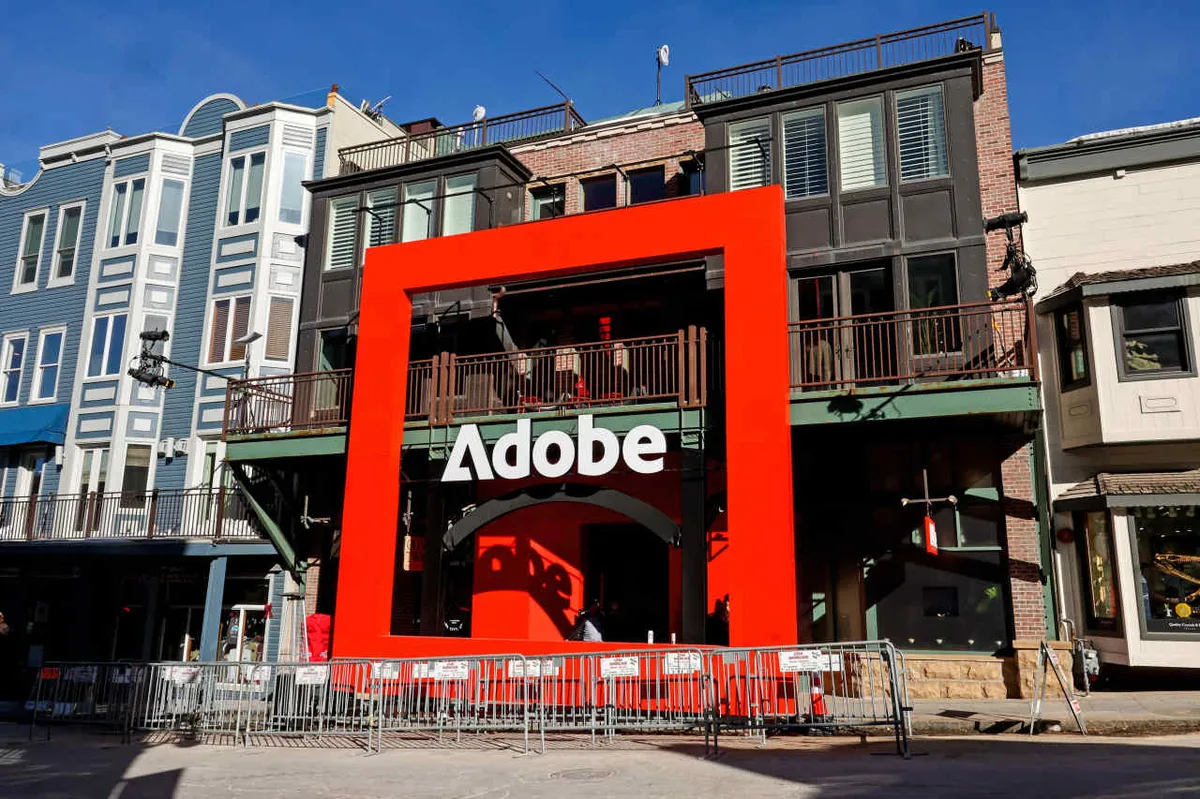
Adobe delivered earnings that matched Wall Street's forecasts but still left analysts and investors cold, underscoring a brutal new reality for even the most established tech names: in today's market climate, meeting the bar is not the same as clearing it. The software giant's results triggered skepticism rather than celebration, a sign of how elevated expectations have become for companies operating in high-growth sectors like digital creativity and AI-powered tools.
One analyst captured the mood bluntly, saying that "in this environment you can't just meet" expectations — a line that could serve as a warning label for any large-cap tech firm heading into earnings season. The comment reflects a broader shift in investor psychology, where beats are rewarded modestly but inline results can trigger selloffs as traders reprice future growth assumptions.
Read more SanDisk's 2,107% Surge Blurs Growth and Value Stock Lines →
For Adobe, the pressure is compounded by its positioning at the intersection of artificial intelligence and creative software, two arenas where the competitive landscape is evolving rapidly. Investors are scrutinizing whether the company can not only defend its dominant market position but actively expand it in ways that justify a premium valuation. Simply holding steady is increasingly read as a sign of stagnation rather than stability.
The reaction to Adobe's numbers is a microcosm of a wider tension playing out across mega-cap technology stocks, where sky-high valuations demand a constant stream of upside surprises. Companies that once earned applause for consistency are now being held to a growth-at-all-costs standard that leaves little room for steady, predictable performance. For Adobe's management, the implicit message from Wall Street is clear: the next earnings cycle will need to bring something more.
Continue reading at MarketWatch.com


