Adobe Stock Looks Cheap, But AI Uncertainty Divides Investors
Adobe shares have fallen to tempting valuations, yet Wall Street remains split on whether the AI era helps or hurts the software giant.
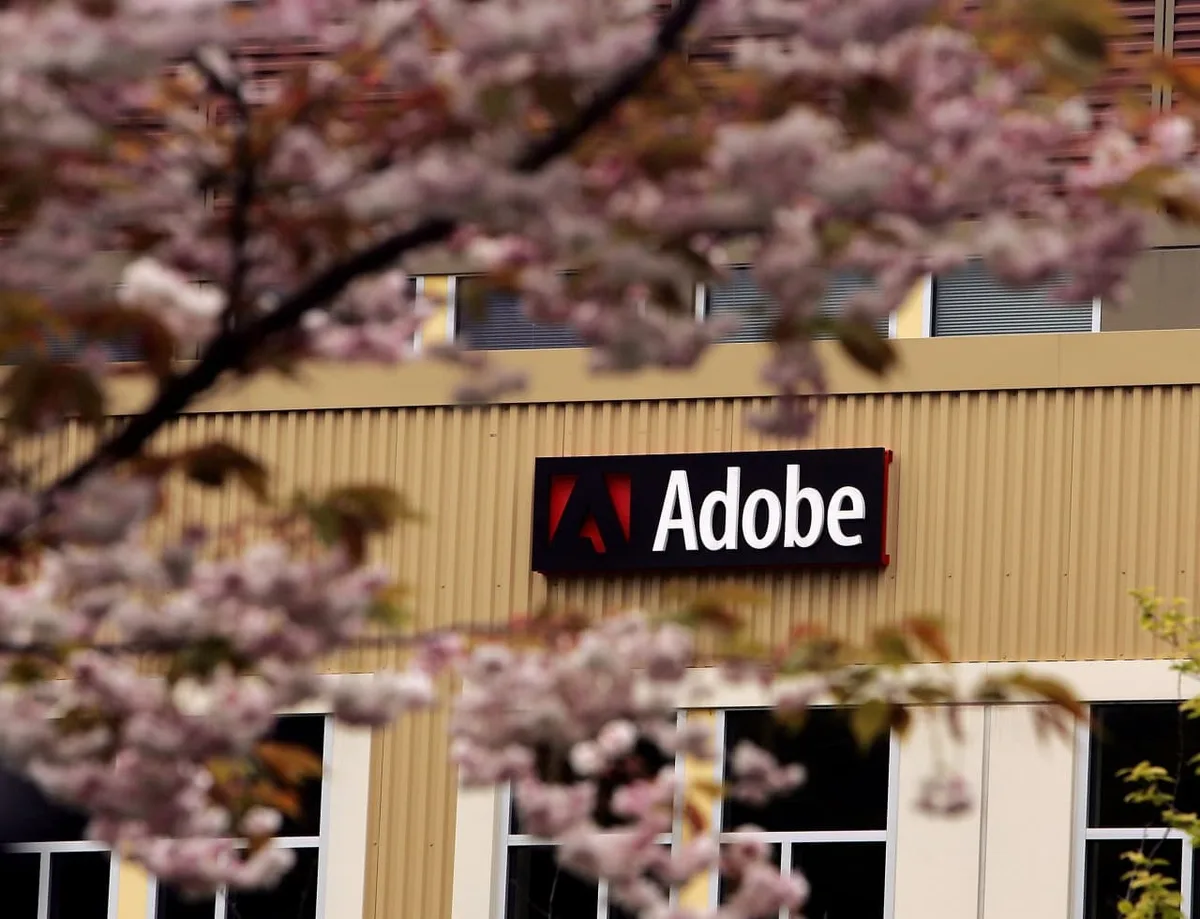
Adobe has emerged as one of technology's most debated stocks, with investors sharply divided over whether the creative software leader can successfully navigate an artificial intelligence landscape that simultaneously threatens and empowers its core business. The company's share price has dropped to levels that some analysts describe as historically attractive, raising the question of whether now is the time to buy — or a classic value trap in disguise.
At the heart of the debate is how Adobe monetizes AI. The company has embedded generative AI tools into flagship products like Photoshop and Illustrator through its Firefly platform, positioning itself as an AI-native creative suite rather than a legacy player being disrupted. Bulls argue that this integration deepens customer lock-in and justifies a re-rating of the stock at current prices.
Read more Securitize Drops 40% After SPAC Debut Despite Tokenization Surge →
Skeptics, however, are not so easily convinced. The concern is that a wave of cheaper, standalone AI image and video generation tools could erode Adobe's pricing power over time, particularly among individual creators and small businesses who represent a meaningful slice of its subscriber base. That competitive pressure has weighed on investor sentiment even as Adobe's fundamentals have remained relatively solid.
The tension between those two narratives — Adobe as AI beneficiary versus Adobe as AI target — is precisely what makes the stock polarizing at this moment. Valuation alone rarely resolves such structural questions, and investors who buy purely on cheapness without a view on the AI outcome may find the thesis harder to hold through continued volatility.
Whether the current price represents a genuine opportunity or a premature call on a still-unresolved story is a judgment each investor must make with incomplete information. Continue reading at MarketWatch.com