Corn and Wheat Futures Surge to Three-Year Price Highs
Corn and wheat futures hit their highest levels in over three years, though separate forces are driving each commodity's rally.
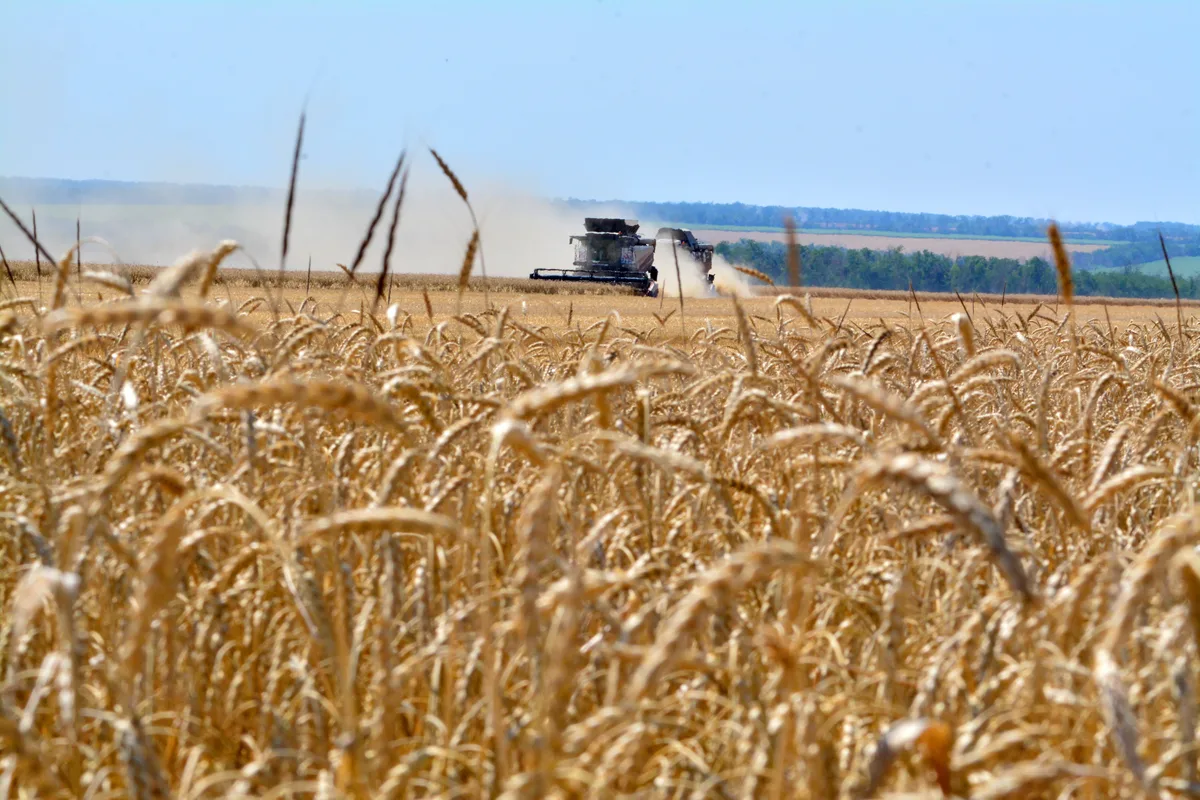
Corn and wheat futures both surged to their highest prices in more than three years, sending fresh signals of stress across global agricultural markets. The simultaneous breakout in two of the world's most essential staple crops has drawn immediate attention from traders, food producers, and policymakers tracking commodity inflation.
Despite the parallel timing of the rallies, analysts note that the underlying drivers behind corn and wheat's price spikes are notably distinct from one another. The divergence matters: when different supply-and-demand forces push multiple commodities higher at the same time, it can signal broader structural pressure on food systems rather than a single isolated disruption.
Read more VIX Hits Year-to-Date Low as Traders Eye Warsh Fed Pick →
Elevated grain prices carry downstream consequences that reach far beyond futures trading floors. Higher corn costs ripple into livestock feed, ethanol production, and processed food manufacturing, while wheat price increases directly threaten the affordability of bread, pasta, and other flour-based staples consumed globally. Together, both moves amplify food-cost pressures already weighing on consumers and businesses.
The three-year milestone is a meaningful benchmark, as it places current price levels in the context of the 2021-2022 commodity surge that followed pandemic-era supply chain disruptions and was later intensified by Russia's invasion of Ukraine. Whether the current rally represents a sustained breakout or a temporary spike will depend heavily on crop-condition reports and geopolitical developments in the weeks ahead.
Continue reading at US Top News and Analysis