Do Data Centers Lower Home Values? Research Says No
Homeowners fear nearby data centers will hurt property values, but research suggests those worries may be overblown.
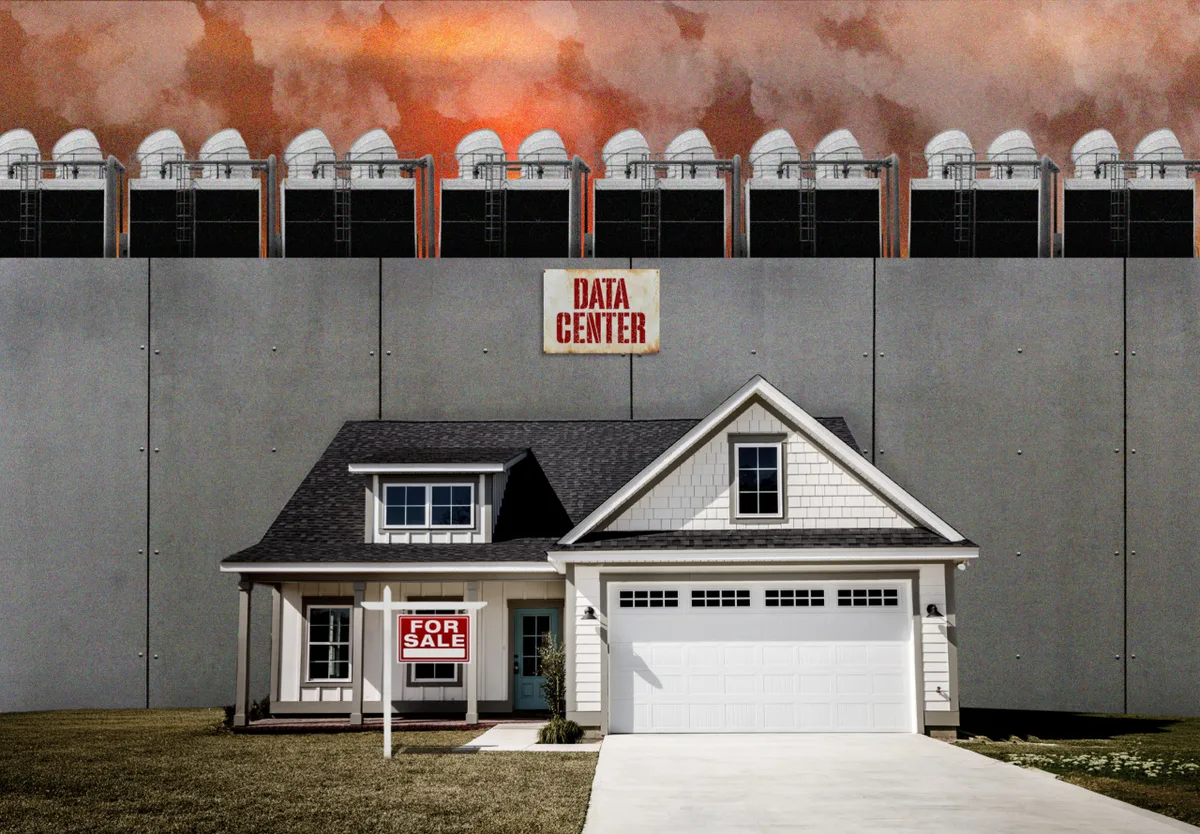
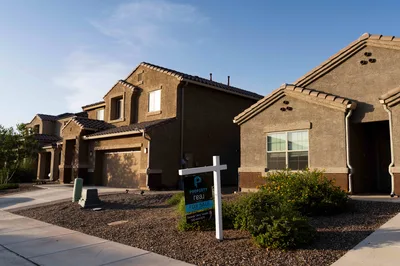
Homeowners across the United States are raising alarms about data centers being built near their neighborhoods, driven by fears that the facilities will drag down property values and disrupt quality of life. The concern has grown louder in recent months as the AI boom accelerates demand for massive computing infrastructure, pushing developers to site new data centers in suburban and rural communities nationwide.
Despite the anxiety, academic and industry research does not support the idea that proximity to a data center meaningfully depresses residential property values. Analysts point to the facilities' relatively low traffic footprints and contained physical profiles compared to other industrial neighbors — factors that can limit the kind of neighborhood disruption that typically sends home prices lower.
Read more Wealthy Investors Pour $170B Into New Tax-Aware Long-Short Funds →
Still, sellers who live near existing or planned data centers say the reality on the ground feels different. Some report that buyers raise the subject during negotiations, use it as leverage to push prices down, or walk away from deals entirely — creating a perception gap between what data shows in aggregate and what individual homeowners experience when trying to close a sale.
The disconnect highlights a broader tension in the data center buildout sweeping the country: the infrastructure is economically significant and increasingly essential, yet local communities often lack the zoning tools, political will, or information needed to weigh its true impact on neighborhoods. That uncertainty alone can spook buyers, even when hard evidence of harm is thin.
As the debate intensifies, real estate professionals say transparency from developers about noise levels, water usage, and visual impact could go a long way toward easing seller anxiety and stabilizing buyer confidence in affected markets. Continue reading at MarketWatch.com