Dollar Bullishness Hits 10-Year High: What Drives It Further
Investors are more bullish on the U.S. dollar than they've been in a decade, with oil prices and Fed policy expectations fueling the rally.
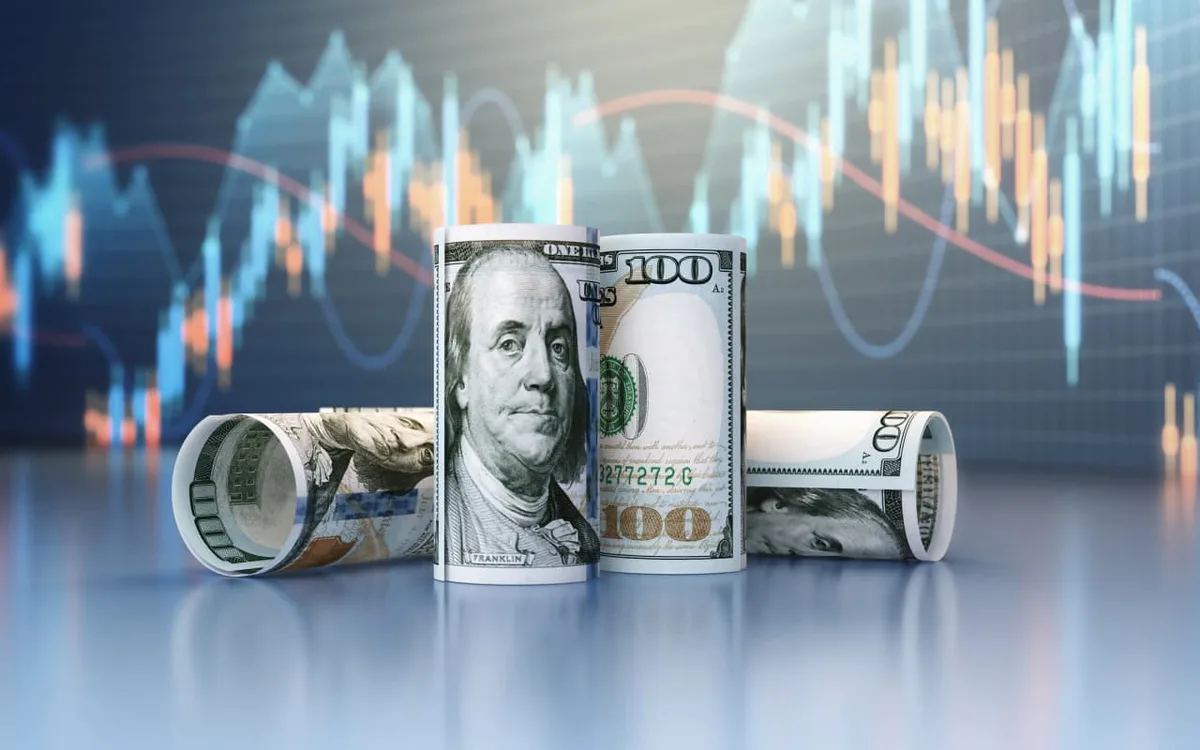
Investor optimism toward the U.S. dollar has surged to its highest level in ten years, creating one of the most crowded bullish bets in currency markets as a confluence of geopolitical and monetary forces push the greenback higher. The question now confronting traders is whether the momentum can hold — or whether the trade is simply too crowded to last.
A sharp rise in oil prices on Wednesday emerged as a pivotal variable. Renewed tensions across the Middle East rattled energy markets, driving crude higher and reigniting fears that inflation could prove more persistent than policymakers and investors had hoped. For dollar bulls, that scenario plays directly into their thesis.
Read more Apple-Intel Chip Deal Gains Buzz but Production Still Years Out →
Higher oil prices translate into stickier inflation, which in turn raises the probability that the Federal Reserve will maintain its restrictive policy stance for longer. A Fed that keeps interest rates elevated tends to attract global capital into dollar-denominated assets, reinforcing demand for the currency itself. That dynamic has been a central pillar of the bullish dollar narrative throughout the current rate cycle.
The durability of the oil price spike remains the critical unknown. If Middle East tensions ease and crude retreats, the inflation argument weakens, potentially undermining one of the key supports beneath the dollar trade. Crowded positioning also introduces fragility — when too many investors are on the same side of a bet, any catalyst for doubt can trigger rapid reversals.
For now, dollar bulls appear to have the macro wind at their backs, but sustaining the rally will require the oil market's move to prove more than a one-day reaction. Continue reading at MarketWatch.com.