Fed Expected to Hold Rates Steady at July Meeting
The Federal Reserve is set to leave its benchmark rate unchanged this July, with direct consequences for everyday borrowers and savers.

The Federal Reserve is widely expected to hold its overnight interest rate steady when policymakers wrap up their July meeting, a decision that carries significant weight for millions of American consumers navigating borrowing costs on everything from mortgages to credit cards.
When the Fed stands pat on rates, it signals that central bank officials remain cautious — balancing the need to keep inflation in check against the risk of tipping the economy into a slowdown. Holding the benchmark rate at its current level means consumers should not expect immediate relief on high-interest debt, nor a sudden surge in returns on savings accounts.
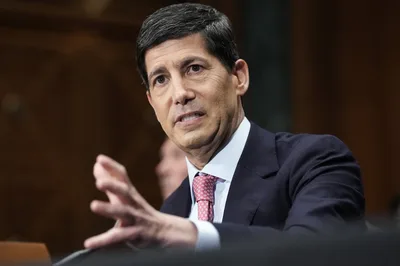
Read more Kevin Warsh Faces Three Key Pressures at July Fed Meeting →
For borrowers, a rate hold effectively locks in today's elevated cost of credit. Variable-rate products like credit cards and home equity lines of credit will continue to track closely with the Fed's benchmark, keeping monthly payments elevated for those carrying balances. Prospective homebuyers hoping for a dramatic drop in mortgage rates are also likely to be disappointed in the near term.
Savers, however, can continue to benefit from relatively competitive yields on high-yield savings accounts and certificates of deposit — rates that climbed sharply during the Fed's aggressive hiking cycle and have not yet meaningfully eroded. Financial analysts broadly advise locking in those yields now, before any future rate cuts reduce returns.
The Fed's July decision underscores a broader wait-and-see posture as officials monitor incoming economic data before committing to any policy pivot. Continue reading at US Top News and Analysis.