Fed Rate Hike: Smart Money Moves to Make Right Now
The Fed's latest quarter-point rate hike will squeeze consumers. Here's how to protect and position your finances.
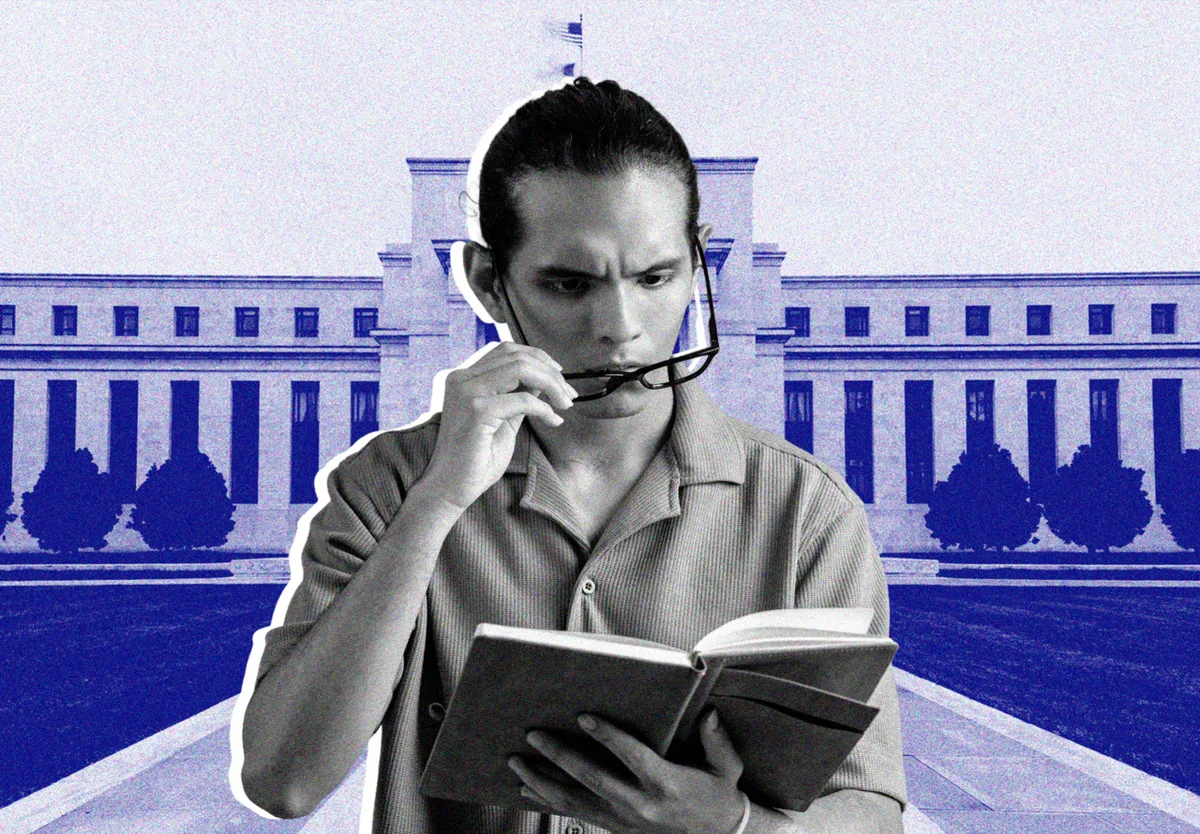
The Federal Reserve has raised interest rates by a quarter of a percentage point, a move that financial experts warn will directly bite consumers across borrowing costs, savings yields, and household budgets. The decision marks another step in the Fed's ongoing effort to tame inflation, but it carries real consequences for everyday Americans managing debt, mortgages, and cash reserves.
For borrowers, the hike translates almost immediately into higher costs on variable-rate debt — including credit cards, home equity lines of credit, and adjustable-rate mortgages. Consumers carrying balances month to month will feel the squeeze fastest, as card issuers typically reprice within one to two billing cycles following a Fed move.
Read more US Tax Rules Still Apply to Americans Living Abroad →
On the flip side, savers finally have reason to act. High-yield savings accounts, money market funds, and short-term Treasury bills are offering meaningfully better returns than they have in years. Financial advisers broadly recommend moving idle cash out of traditional low-interest checking or savings accounts and into these higher-yielding vehicles as quickly as possible to capitalize on the elevated rate environment.
For homeowners and prospective buyers, the rate environment reinforces the importance of locking in fixed-rate financing where possible, and reconsidering large purchases financed with variable credit. Those with existing adjustable-rate mortgages may want to evaluate refinancing options before rates climb further, weighing closing costs against potential long-term savings.
The broader takeaway from financial strategists is straightforward: higher rates punish passive financial behavior. Whether that means aggressively paying down high-interest debt, shopping for better deposit rates, or revisiting a household budget, the window to adapt is now — before further hikes potentially compound the pressure. Continue reading at MarketWatch.com