Ford Rehires 350 Veteran Engineers After AI Falls Short on Quality
Ford brought back hundreds of experienced engineers after discovering its AI tools couldn't match their expertise in catching quality control problems.
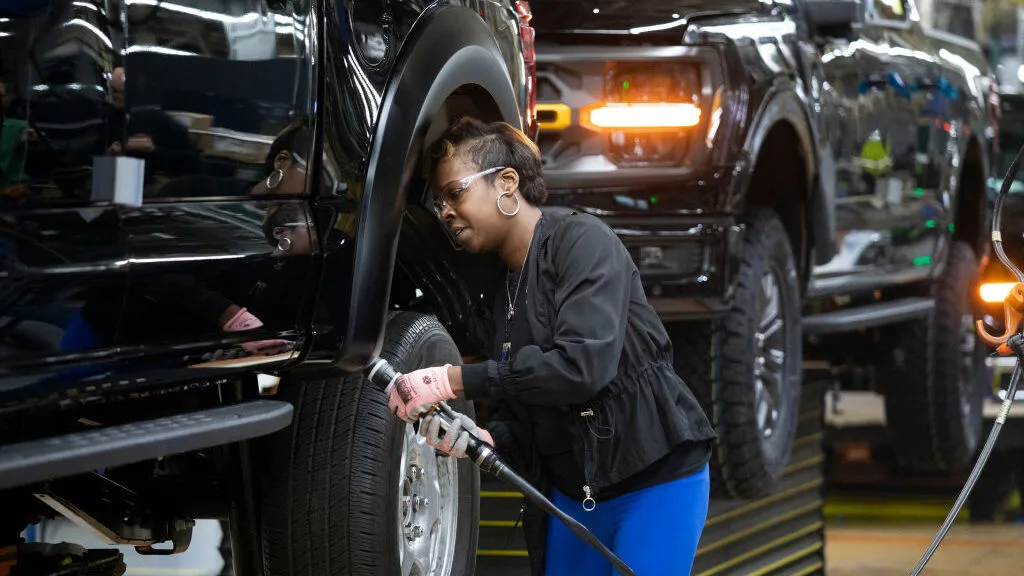
Ford Motor Company has rehired approximately 350 veteran engineers after the automaker determined that its artificial intelligence systems lacked the depth of experience needed to effectively manage quality control — a striking admission from one of the industry's largest manufacturers that cutting-edge technology has real limits on the factory floor.
The decision underscores a broader tension playing out across American manufacturing: companies that rushed to replace seasoned human talent with AI-driven automation are now confronting gaps that algorithms alone cannot fill. Ford's quality control challenges appear to have been significant enough to prompt the company to reverse course and rebuild institutional knowledge it had previously let walk out the door.
Veteran engineers bring decades of pattern recognition, hands-on diagnostic instincts, and contextual judgment that current AI platforms struggle to replicate — particularly when diagnosing complex, low-frequency defects that don't appear often enough in training data to be reliably caught by machine-learning models. Ford's experience suggests that in high-stakes manufacturing environments, human expertise and AI tools may work best as complements rather than substitutes.
The move carries strategic implications well beyond Ford's assembly lines. As automakers navigate an increasingly competitive landscape — balancing electric vehicle transitions, supply chain pressures, and consumer demand for reliability — quality control failures can cascade quickly into costly recalls and reputational damage. Rebuilding a specialized engineering workforce takes time, and Ford's pivot signals that the company views that investment as non-negotiable right now.
Ford has not publicly detailed the specific quality issues that triggered the hiring push or the financial cost of the initiative, but the scale of the rehiring effort — 350 engineers — points to a systemic rather than isolated problem. Continue reading at Yahoo Finance.