Heat Wave Coming: Cut Your Cooling Bills by $100 This Summer
A dangerous heat wave is bearing down on millions of Americans. Energy experts say now is the time to act and trim cooling costs.
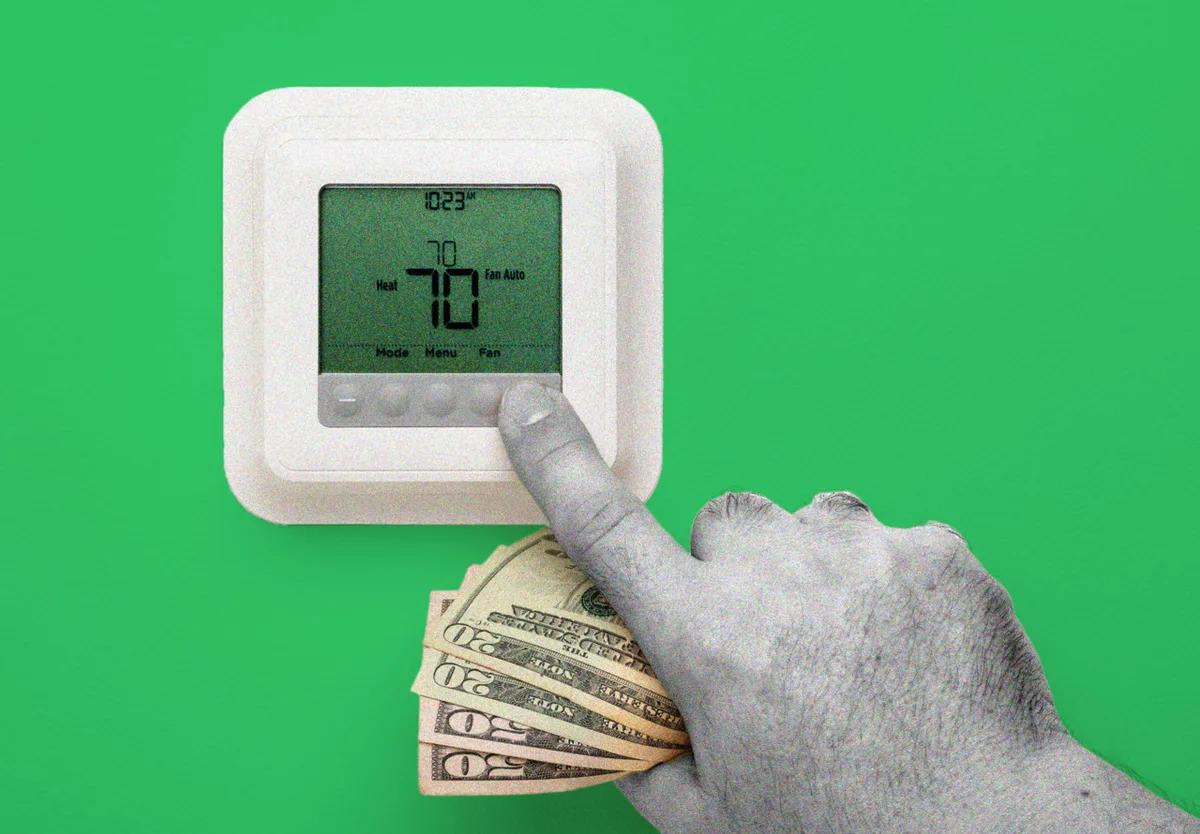
A dangerous heat wave is threatening millions of Americans this week, and energy experts are urging households to take immediate action — not just to stay safe, but to protect their budgets from skyrocketing cooling costs. With air conditioners running overtime, electricity bills can surge dramatically during prolonged high-heat events, making advance preparation a financial priority as much as a comfort one.
Experts advise that simple, proactive steps taken before temperatures peak can reduce summer cooling expenses by as much as $100, a meaningful saving for households already navigating elevated everyday costs. The window to act is narrow — once a heat wave arrives in full force, options become more limited and reactive rather than preventive.
Read more Why a 76-Year-Old Walmart Worker Still Owes Payroll Taxes →
Among the strategies energy specialists highlight are optimizing thermostat settings, sealing gaps around doors and windows to prevent cool air from escaping, and ensuring HVAC filters are clean to maximize system efficiency. Ceiling fans, when used correctly alongside air conditioning, can also allow homeowners to raise the thermostat a few degrees without sacrificing comfort, directly cutting energy consumption.
The timing of appliance use matters as well. Running dishwashers, ovens, and dryers during cooler nighttime hours rather than peak afternoon heat reduces the burden on cooling systems and takes advantage of potential off-peak electricity rates offered by some utilities. Drawing blinds and curtains on sun-facing windows during daylight hours can also significantly reduce indoor heat gain.
With climate patterns driving more frequent and intense summer heat events across the United States, the ability to manage cooling costs efficiently is becoming a year-round financial planning consideration — not just a seasonal afterthought. Continue reading at MarketWatch.com