How Much Stock Exposure Retirees Actually Need in 2024
Staying in equities during retirement is essential, but finding the right allocation level is the critical decision retirees face.
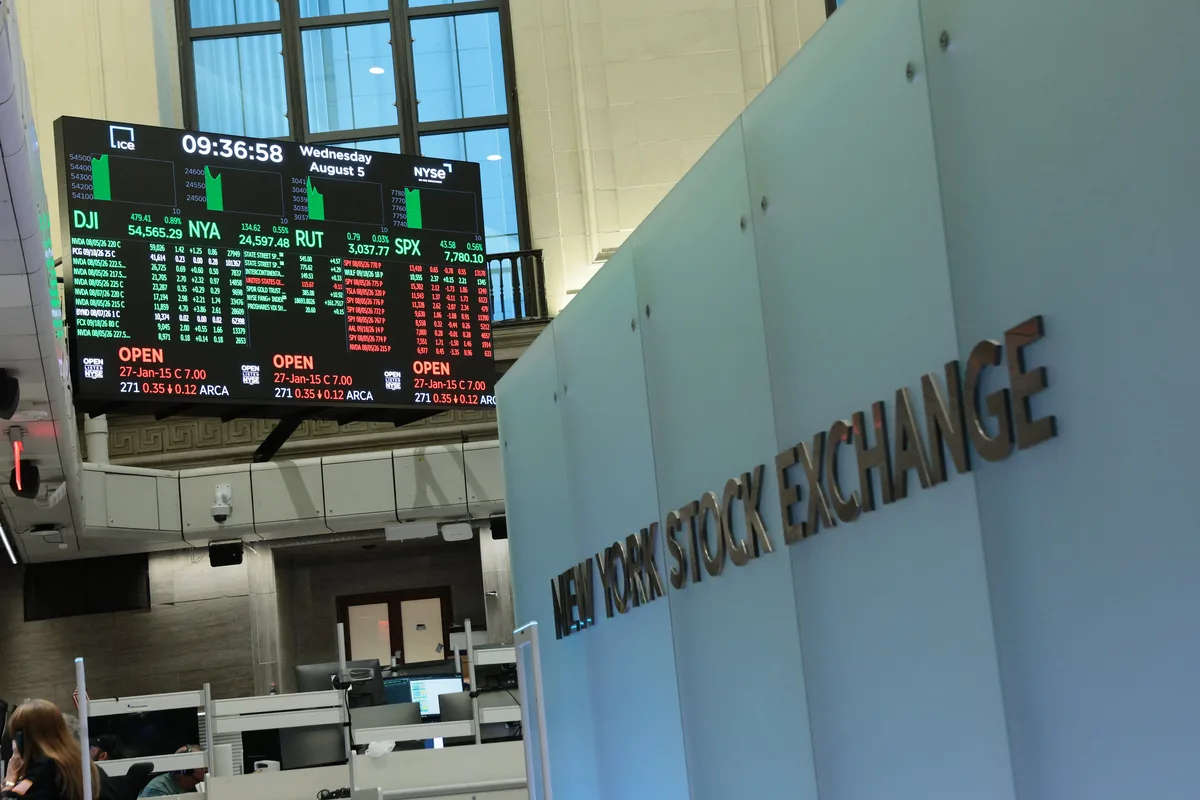
Retirees who flee the stock market entirely are making a costly mistake, financial experts warn, as equity exposure remains a cornerstone of sustaining wealth through a decades-long retirement. The question isn't whether to stay invested — it's how much market exposure retirees can afford to carry without jeopardizing their financial security.
Conventional wisdom has long pushed older investors toward conservative, bond-heavy portfolios as they exit the workforce. But with Americans living longer than ever, a retirement that stretches 20 to 30 years demands growth assets to outpace inflation and prevent portfolio erosion. Abandoning stocks altogether can be just as dangerous as holding too many.
Read more Municipal Bond Yields Hit Sweet Spot for Tax-Free Income →
The challenge for retirees is striking a balance: enough equity exposure to generate meaningful returns, but not so much that a sharp market downturn forces panic selling or disrupts income needs. That calibration — not a blanket retreat from risk — is the true make-or-break decision in retirement planning.
Financial advisors broadly agree that conservative does not mean equity-free. A thoughtfully constructed allocation that accounts for time horizon, spending needs, and risk tolerance gives retirees the best chance of sustaining their portfolios through market cycles while preserving their standard of living.
Continue reading at US Top News and Analysis.