How Tim Cook Remade Apple Without Being a 'Product Guy'
Dismissed early on as lacking Steve Jobs's product vision, Tim Cook built Apple into a supply-chain juggernaut instead.
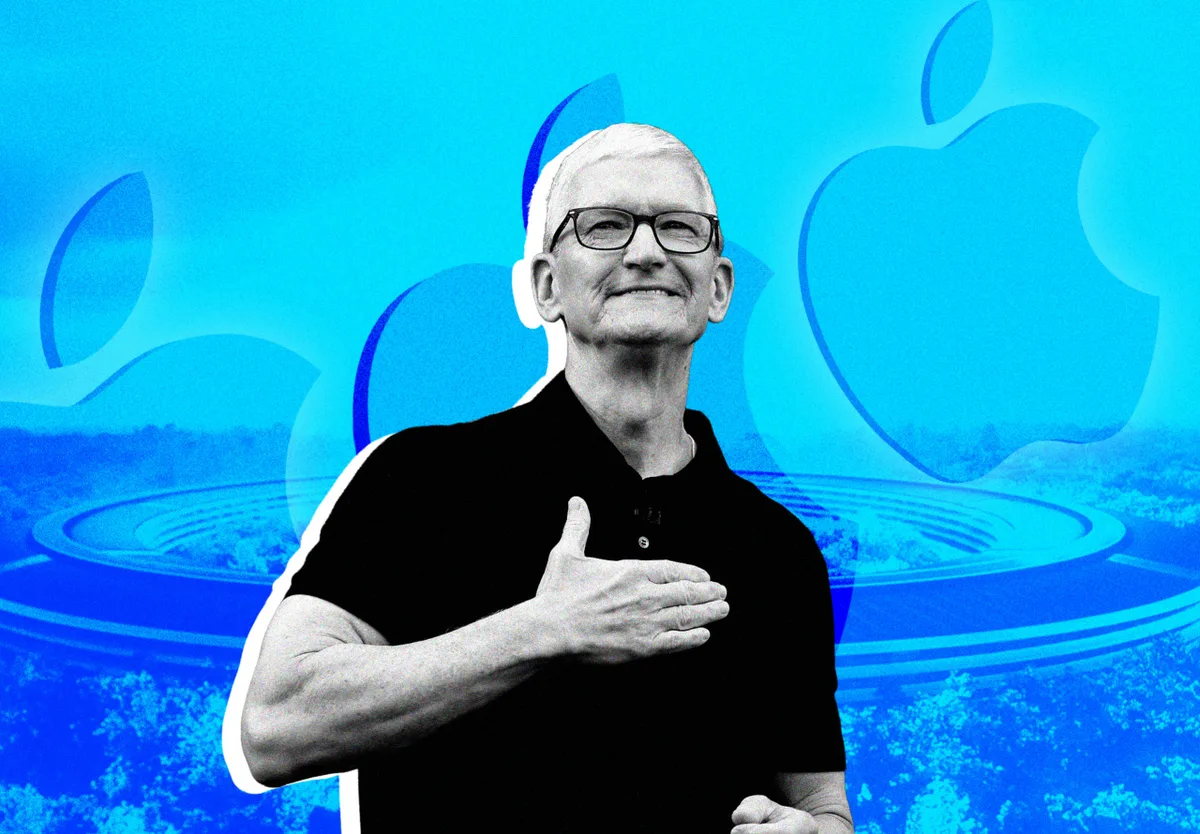
Tim Cook, the outgoing Apple CEO, spent years deflecting a pointed critique that followed him from the moment he stepped into Steve Jobs's shadow: he wasn't a "product guy." Rather than fight the label, Cook turned operational excellence into a competitive weapon that reshaped one of the world's most valuable companies.
Where Jobs conjured products from imagination, Cook engineered the machinery that delivered them at scale. His mastery of global supply chains allowed Apple to manufacture devices with a precision and cost efficiency that rivals struggled to match, turning logistics itself into a form of innovation that the industry had rarely seen applied so aggressively at the consumer-technology level.
Read more Sub-$100 Smartphones Disappearing as AI Drives Up Memory Costs →
The results spoke louder than any rebuttal. Under Cook's leadership, Apple's market capitalization soared to historic heights, and the company expanded well beyond the Mac-and-iPod identity it held when he took the helm in 2011. Services, wearables, and the App Store ecosystem grew into revenue pillars that reduced Apple's dependence on any single hardware cycle — a diversification that Jobs never had to architect but Cook made essential.
Cook's tenure also tested Apple through geopolitical turbulence, including U.S.-China trade tensions that placed enormous strain on a supply chain deeply rooted in Chinese manufacturing. His ability to navigate those pressures — while quietly seeding production capacity in countries like India and Vietnam — illustrated that supply-chain strategy could be every bit as consequential as a product launch keynote.
As Cook prepares to exit, his legacy forces a reassessment of what leadership at a technology giant actually requires. Being a "product guy" may generate the legend, but the outgoing CEO demonstrated that re-engineering how a company operates can be just as transformative — and perhaps more durable. Continue reading at MarketWatch.com