Iran Closes Hormuz Strait, Expands Gulf Strikes After US Hits 300 Targets
Iran widened attacks to Qatar and UAE while again declaring the Strait of Hormuz closed, as US forces struck over 300 Iranian military sites in three nights.
Iran escalated its four-month conflict with the United States over the weekend, extending missile and drone strikes to Qatar and the United Arab Emirates for the first time in months and again declaring the Strait of Hormuz closed to unauthorized shipping traffic. US Central Command responded with strikes on more than 300 Iranian military targets over three nights, including 140 targets hit on Saturday alone, according to Reuters. The exchange marks one of the sharpest single-weekend escalations since the conflict began following a February 28 strike that killed Iran's former supreme leader.
Beyond Qatar and the UAE, Iran also renewed attacks on Jordan, Kuwait, and Oman. Qatar reported three people injured — including a child — by falling shrapnel and held Tehran fully responsible. Kuwait confirmed damage and an injury at an oil drilling platform, while Bahrain said it intercepted several aerial assaults and Oman reported drone strikes across two regions. A container vessel, the GFS Galaxy, was struck off Oman, leaving one Indian national missing while 23 crew members were rescued.
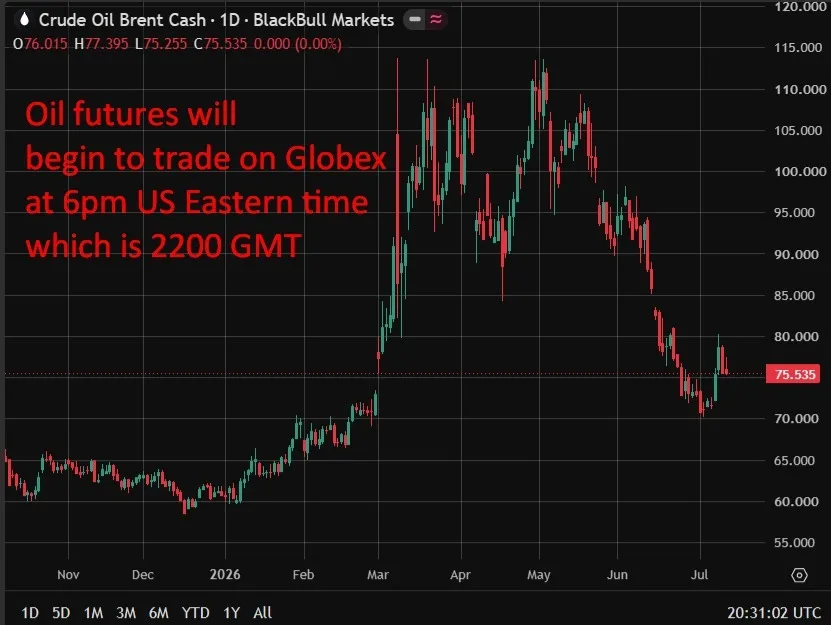
Iran's Persian Gulf Strait Authority declared the Hormuz closure would remain in effect until "stability and calm" return, a statement that immediately registered as a supply-risk shock across energy markets. The US insists shipping is still flowing via a southern alternative route, but traders are pricing in renewed upward pressure on benchmark crude, freight rates, and war-risk insurance premiums. A separate US decision to revoke the licence permitting Iranian crude sales adds a further tightening of available oil supply globally.
Iran's newly installed supreme leader, Mojtaba Khamenei, issued a written statement vowing revenge for his father's death, the event that triggered the current war. His continued public absence, however, is introducing fresh uncertainty about Tehran's command structure — a variable that markets are increasingly treating as an additional escalation risk factor. Political pressure around US gasoline prices ahead of midterm elections raises the likelihood of further American military engagement to keep the southern shipping corridor open, analysts note.
Continue reading at Forexlive.