Iran Hits Qatar and UAE as US Strikes 300 Targets in Escalation
Iran expanded Gulf strikes to Qatar and the UAE while again closing the Strait of Hormuz, as US forces hit over 300 Iranian military targets.
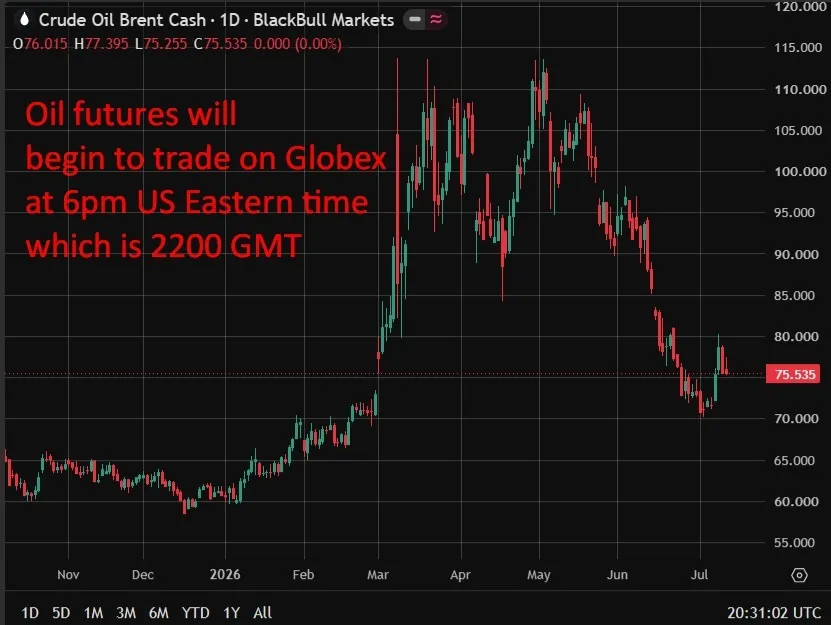
Iran dramatically widened its Gulf offensive over the weekend, striking Qatar and the United Arab Emirates for the first time in months while the United States hit more than 300 Iranian military targets across three nights of combat, marking the sharpest escalation yet in a four-month conflict that now threatens one of the world's most critical oil chokepoints.
Iran's Persian Gulf Strait Authority declared the Strait of Hormuz closed to unauthorized shipping, saying transit permits would only resume once "stability and calm" return. Washington insisted that a southern maritime corridor remained operational, but the declaration alone injected fresh supply-risk anxiety into energy markets, with analysts expecting upward pressure on crude benchmarks, freight rates, and war-risk insurance premiums.
Read more Bitcoin Approaches Key Power Law Support Line Tracked by Fidelity →
US Central Command reported striking more than 140 Iranian targets on Saturday alone, with the three-night campaign total exceeding 300 sites. Axios, citing a senior US official, reported that the strikes also took out Iranian missile and air defense systems along with Islamic Revolutionary Guard Corps speedboats operating near the strait — a move that underscores Washington's intent to keep the southern shipping corridor open, particularly as gasoline prices carry political weight ahead of US midterm elections.
The geographic reach of Iranian strikes also broadened sharply. Kuwait reported damage and an injury at an oil drilling platform. Bahrain said it intercepted multiple aerial attacks. Oman documented drone strikes across two regions. A container vessel, the GFS Galaxy, was attacked off Oman, leaving one Indian national missing after 23 crew were rescued. Qatar, which has played a mediator role in ceasefire talks, said three people — including a child — were injured by shrapnel and placed full responsibility on Tehran.
Adding further uncertainty, Iran's newly installed supreme leader Mojtaba Khamenei issued a written vow of revenge for his father's death in the February 28 strike that triggered the war. His continued limited public presence is raising questions about Tehran's command cohesion — a factor markets may treat as an additional escalation risk. The US also revoked a license permitting Iranian crude sales, tightening global oil supply further. Continue reading at Forexlive.