IRS Tax Liens Surge, Threatening Jobs and Credit Access
Federal tax liens filed by the IRS are increasing, with serious consequences for Americans' employment prospects and credit standing.
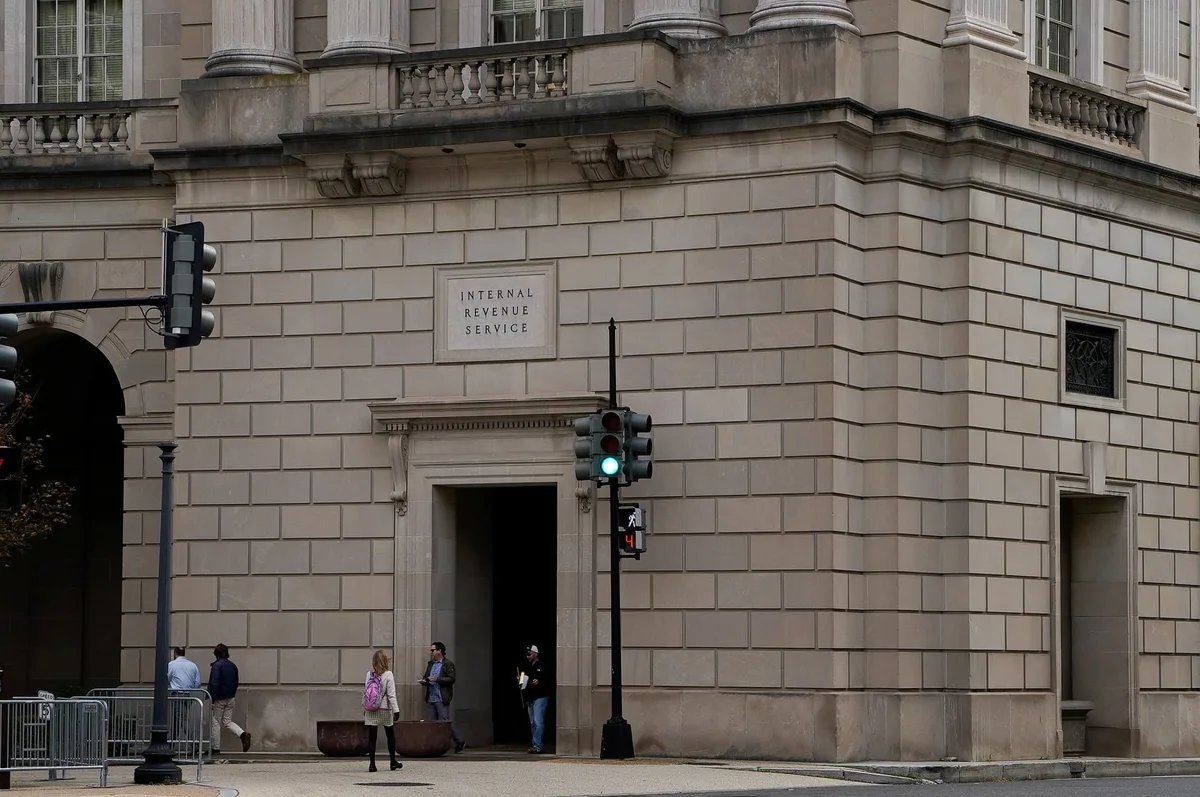
The Internal Revenue Service is filing more federal tax liens against Americans, and consumer advocates warn the consequences can be financially devastating, affecting everything from credit access to job prospects. One consumer advocate described the liens as a potential "kiss of death" for those caught in the agency's crosshairs, underscoring the severity of the trend.
A federal tax lien is the government's legal claim against a taxpayer's property when that person neglects or fails to pay a tax debt. Once filed, the lien becomes a matter of public record, attaching to a taxpayer's assets including real estate, personal property, and financial accounts — creating a paper trail that creditors, employers, and landlords can scrutinize.
Read more Americans Say They Need $1.2M to Retire, But Few Expect to Get There →
The rise in IRS lien filings arrives at a precarious moment for many American households already navigating elevated costs and financial strain. When a lien appears on a credit report, it can sharply reduce a borrower's ability to obtain loans, secure favorable interest rates, or even rent an apartment. The downstream effects can compound quickly, making it harder for affected individuals to stabilize their finances.
Beyond credit damage, liens can also jeopardize employment. Certain industries — particularly those involving financial services, security clearances, or government contracting — treat outstanding federal tax obligations as a serious red flag during background checks, potentially costing applicants job offers or existing positions.
Experts generally advise taxpayers who receive IRS notices to act promptly, as the agency does offer programs such as installment agreements and offers in compromise that can resolve tax debts before a lien is filed. Continue reading at US Top News and Analysis.