Japan Producer Prices Hit Two-Year High, Raising BOJ Rate Hike Odds
Japan's PPI jumped 7.1% in June, beating forecasts and fueling bets the BOJ could hike rates as soon as October.
Japan's producer price index surged 7.1% year over year in June, Bank of Japan data showed Friday, blowing past the 6.8% consensus forecast and marking the fastest annual pace since early 2023. Monthly prices climbed 0.4%, also topping estimates, driven by persistent cost increases in oil and petrol, electricity, and plastics — sectors that have dominated corporate cost pressures for months.
The data extend a remarkable streak of elevated readings. Monthly producer prices rose by the most in 12 years in April and continued climbing through May, a run that coincided with the outbreak of conflict in Iran and the resulting spike in global energy costs. Analysts note it is the persistence of those gains, not merely their size, that is shifting the policy calculus at the Bank of Japan.
Read more Japan June PPI Surges 7.1%, Topping Forecasts by Wide Margin →
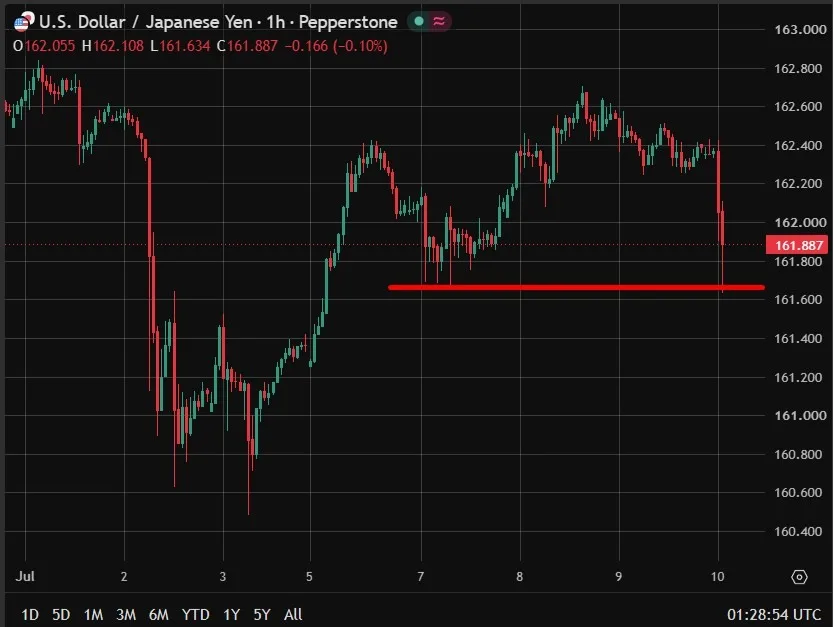
A second pressure point compounds the domestic cost story: the yen was trading around 162.36 per dollar Friday morning, still hovering near its weakest level in four decades. A weaker currency amplifies import costs — particularly energy — feeding directly into the corporate price pressures the PPI captures, and making inflation harder to contain without policy action.
Firms are increasingly passing higher input costs onto customers, a dynamic the BOJ has flagged as a sign that inflation expectations are becoming entrenched. That pass-through behavior is precisely the kind of evidence the central bank needs to justify continued policy normalization, and markets are responding accordingly. Rate traders now widely expect another BOJ hike before year-end, with a growing contingent pricing the move as soon as October rather than waiting for a December decision.
The upside surprise reinforces a steady, measured path of tightening rather than any abrupt acceleration, but it leaves little room for the BOJ to pause. Sensitivity in rate markets is likely to remain elevated heading into the autumn policy meetings. Continue reading at Forexlive.