Medicare and Car Accident Bills: What Seniors Need to Know
A reader's car was T-boned by a teen driver, raising urgent questions about whether Medicare covers crash-related hospital costs.
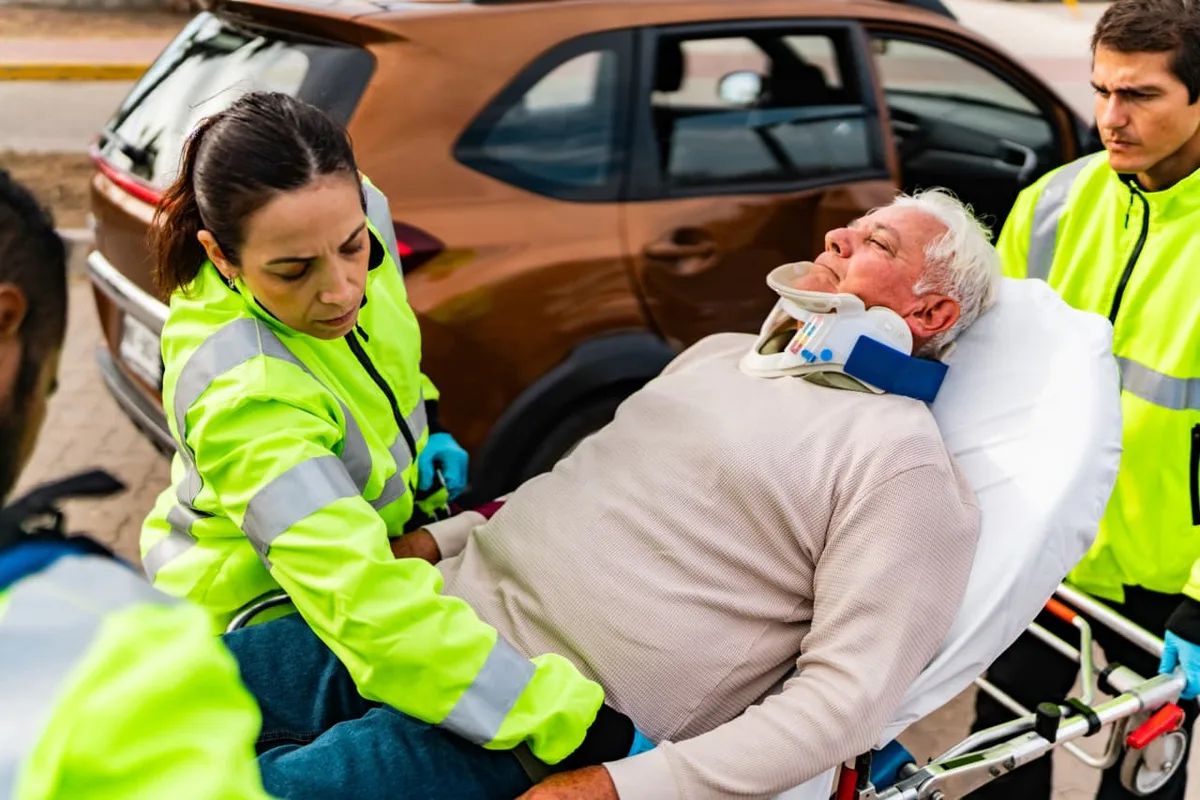
A Medicare enrollee is facing a stack of hospital bills after a teenager ran a light and T-boned their vehicle, leaving the victim with head injuries sustained when their head struck the driver's side window. The collision has raised a critical and widely misunderstood question: when another driver causes an accident, who actually pays your medical bills — Medicare, the at-fault driver's insurer, or your own coverage?
The victim's situation is complicated by a key insurance gap. The car involved was nearly two decades old, and the owner carried only liability and uninsured motorist coverage — not collision coverage. That choice, common among owners of older, lower-value vehicles, strips away one potential layer of financial protection in an at-fault accident scenario.
Read more How AI Stock Volatility Could Impact Your 401(k) Savings →
Medicare can cover accident-related medical expenses, but it rarely acts as the first payer when other insurance sources are available. Federal coordination-of-benefits rules generally require that auto insurance — whether from the at-fault driver's liability policy or the victim's own uninsured/underinsured motorist coverage — pay before Medicare steps in. How quickly that outside coverage is resolved can directly affect how and when Medicare engages, and whether it seeks reimbursement later.
For seniors on fixed incomes, the financial stakes in these situations are significant. Medical bills from even a moderate crash can run into the tens of thousands of dollars, and navigating the hierarchy of payers — the at-fault driver's insurer, one's own policy, and then Medicare — demands careful attention. Enrollees who accept Medicare payment upfront may later be required to reimburse the program once a liability settlement is reached, a process known as a Medicare lien or conditional payment.
Anyone dealing with accident-related injuries while enrolled in Medicare should consult both a personal-injury attorney and a Medicare counselor before settling any insurance claims to avoid costly repayment obligations. Continue reading at MarketWatch.com.