Nvidia's $12.9B Hugging Face Bid Is a Strategic AI Power Play
Nvidia's reported $12.9B move on Hugging Face goes beyond hardware, aiming to lock in developers and shield its AI ecosystem from rivals.
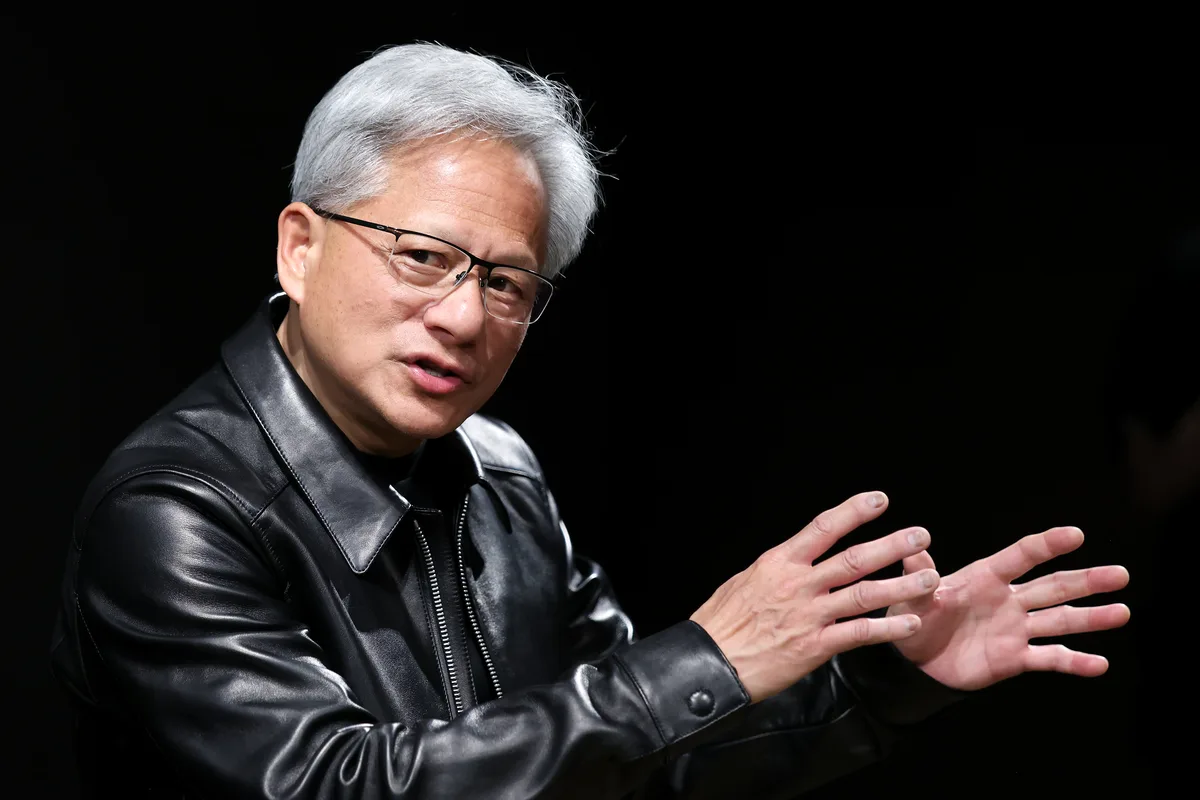
Nvidia is pursuing a $12.9 billion acquisition of Hugging Face in what analysts are framing as far more than a chip company expanding its portfolio. The deal, if completed, would give the semiconductor giant direct ownership of one of the most influential open-source AI platforms in the world — a hub where millions of developers access models, datasets, and machine-learning tools daily.
At its core, the move is widely characterized as defensive. Nvidia's dominance in AI hardware is well established, but that position becomes vulnerable if competitors gain preferential access to the platforms where developers build, train, and deploy models. By acquiring Hugging Face, Nvidia could ensure that its GPU ecosystem remains the default infrastructure layer for open AI development, rather than ceding that ground to rivals like AMD, Intel, or cloud providers pushing their own silicon.
Read more Sub-$100 Smartphones Disappearing as AI Drives Up Memory Costs →
The strategic calculus also runs deeper than competition. Hugging Face has become the de facto gathering place for the AI developer community, functioning as something between GitHub and an AI app store. Owning that community — and the trust it represents — could allow Nvidia to shape how open-source AI evolves, which frameworks gain traction, and which hardware those frameworks are optimized for. That influence is worth billions independent of any near-term revenue the platform generates.
The acquisition would also accelerate Nvidia's push to be seen as a full-stack AI company, not merely a chip supplier. Controlling a platform with Hugging Face's reach would let Nvidia bundle software, model hosting, and developer tooling alongside its hardware offerings — a vertically integrated play that mirrors strategies employed by major cloud providers. For enterprise customers, that kind of one-stop ecosystem is increasingly attractive.
Whether regulators allow a deal of this magnitude to proceed in today's antitrust environment remains an open question. The AI sector is already under heightened scrutiny, and a transaction that concentrates hardware dominance with open-source platform control could draw significant review. Continue reading at US Top News and Analysis.