Oil Climbs, Stock Futures Fall After U.S.-Iran Strait Strikes
Weekend military exchanges between the U.S. and Iran near the Strait of Hormuz rattled markets, pushing oil higher and equity futures lower.
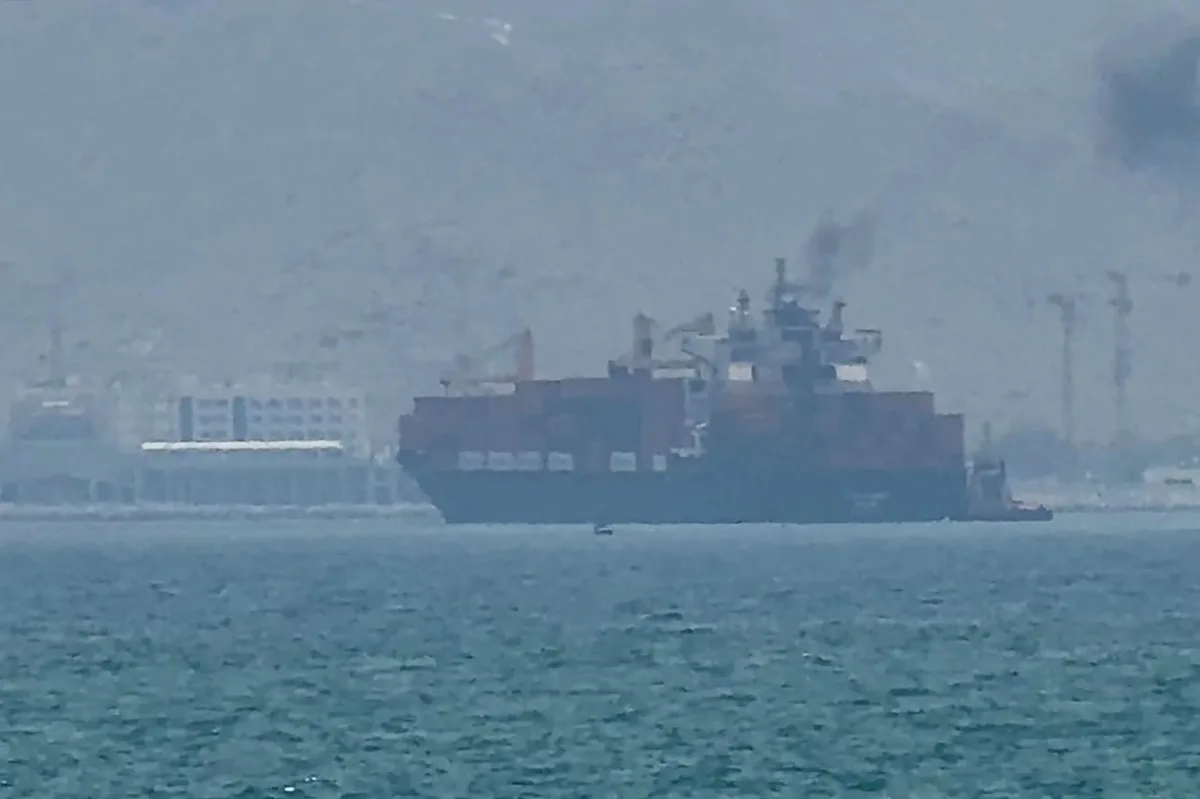
Oil prices surged and U.S. stock-index futures retreated Sunday night after American and Iranian forces exchanged strikes near the Strait of Hormuz over the weekend, escalating a dangerous cycle of military confrontation in one of the world's most critical energy corridors. The moves signal that investors are quickly repricing geopolitical risk as hostilities between Washington and Tehran show no signs of cooling.
The Strait of Hormuz sits at the mouth of the Persian Gulf and serves as the transit point for roughly a fifth of global oil supplies, making any military activity in the region an immediate concern for energy markets. When conflict threatens that chokepoint, traders historically bid up crude prices as a precaution against potential supply disruptions — a dynamic playing out again this weekend.
For equity investors, rising oil prices act as a double-edged threat: they inflate input costs for businesses across nearly every sector while simultaneously stoking fears of broader inflation that could pressure the Federal Reserve to hold interest rates higher for longer. The combination of geopolitical uncertainty and macro headwinds is a classic recipe for risk-off sentiment, pushing futures into the red even before Monday's opening bell.
Analysts will be watching closely to see whether diplomatic back-channels open or whether the tit-for-tat exchange hardens into a more sustained military posture. Any interruption to tanker traffic through the strait could rapidly transform a market jitter into a full-blown supply shock with global economic consequences. Monday's trading session will serve as the first real test of how deeply the weekend's events have unsettled institutional investors.
Continue reading at MarketWatch.com