Oil Prices Near Pre-War Lows, but Supply Risks Loom Large
Oil has retreated toward pre-war price levels, yet analysts warn Iranian influence over the Strait of Hormuz could trigger a sharp rebound.
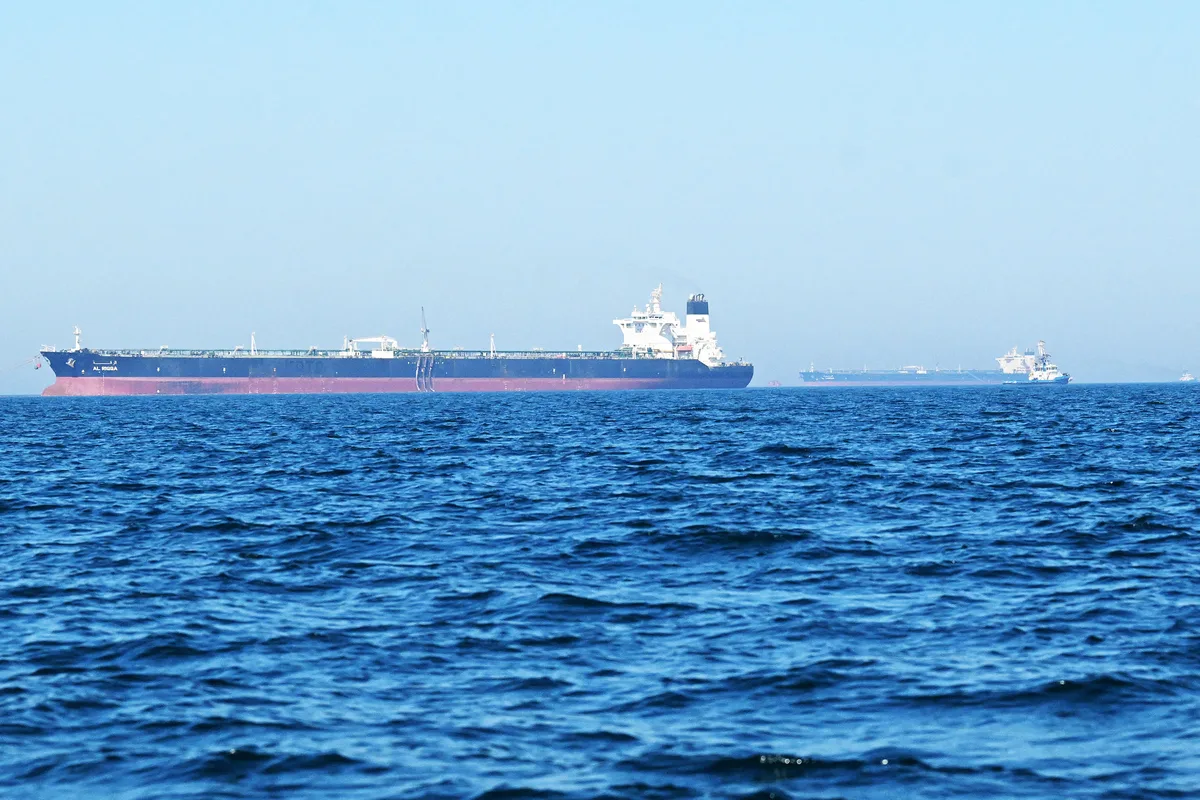
Oil prices have fallen back toward levels not seen since before the latest round of Middle East conflict, offering temporary relief to consumers and businesses alike — but commodity strategists are sounding the alarm that the calm may not last. Analysts caution that structural supply risks remain firmly embedded in the market, and that any escalation could quickly reverse recent price declines.
At the center of those concerns is Iran's persistent leverage over the Strait of Hormuz, the narrow waterway through which a significant share of the world's seaborne oil traffic passes. Commodity strategists warn that Tehran's ability to threaten or disrupt transit through that chokepoint continues to cast a shadow over global oil markets and the shipping costs tied to them.
Read more Alphabet Joins Dow Jones, Shares Jump 5% as Verizon Exits →
The tension between falling spot prices and elevated geopolitical risk creates an unusual dynamic for traders and policymakers. While headline prices suggest easing pressure, the underlying threat environment has not materially improved — meaning markets could be underpricing the probability of a sudden supply shock if diplomatic conditions deteriorate.
For businesses that depend on stable energy inputs and for consumers hoping that lower oil prices translate into relief at the pump, the mixed signals complicate planning. Shipping companies, in particular, face the dual challenge of navigating both volatile freight rates and the operational risks associated with routes near contested waterways.
Analysts stress that the current price environment should not be read as a structural resolution of supply-side vulnerabilities. Until geopolitical tensions in the region are genuinely de-escalated, the risk of a rapid price rebound remains a credible scenario that markets cannot afford to ignore. Continue reading at US Top News and Analysis.