Prediction Markets Raise Insider Trading Fears at Major Firms
Goldman Sachs and other companies are updating trading policies as prediction markets grow, raising fresh insider trading concerns among employees.
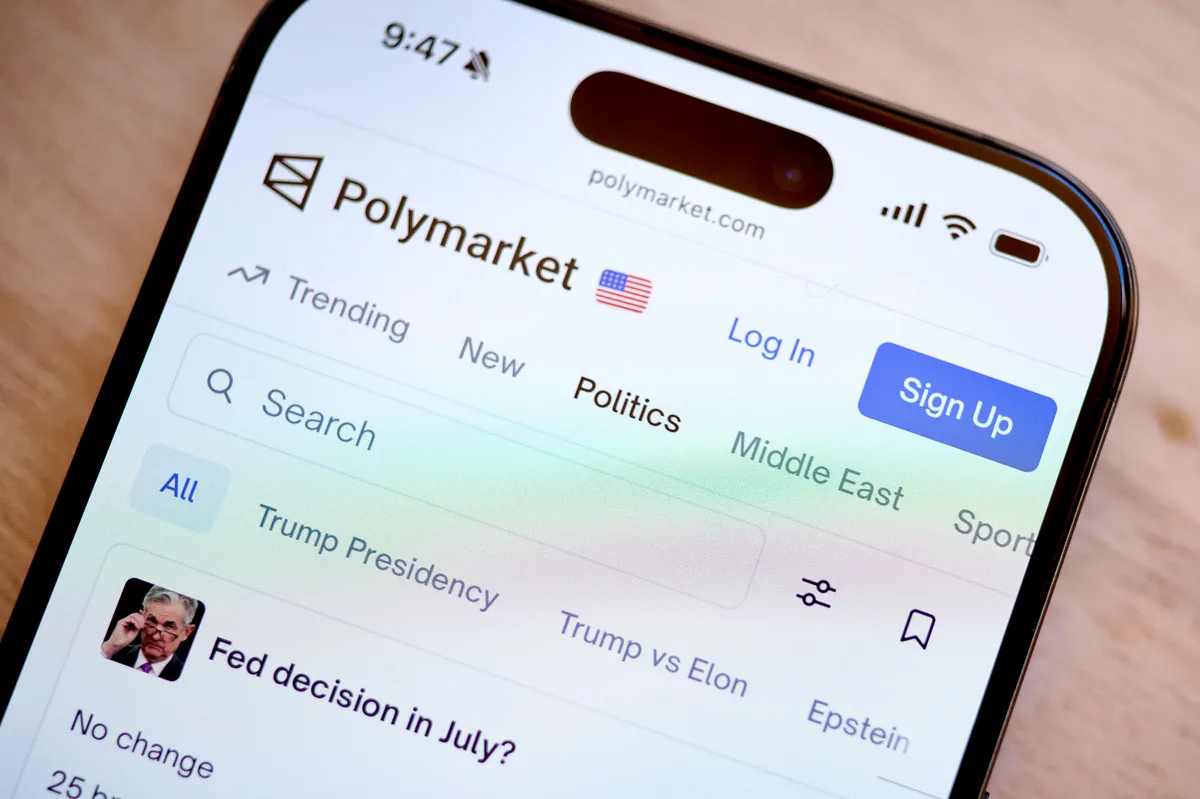
A surge in the use of prediction markets — platforms where users bet real money on the outcomes of political, economic, and corporate events — has prompted urgent questions about whether employees armed with non-public information could exploit these venues for illegal gain. CNBC contacted 50 major companies to learn how, or whether, their existing trading policies extend to these emerging platforms, and found that only a handful had a clear answer ready.
Goldman Sachs is among the firms that have begun addressing prediction markets in their internal compliance frameworks, signaling that Wall Street is waking up to a regulatory gray area that has grown too large to ignore. The lack of consistent policy across Corporate America highlights how quickly these platforms have outpaced the governance structures designed to prevent market abuse.
Read more Crypto Markets Hold Steady Amid Rising Middle East Tensions →
The core concern mirrors classic insider trading logic: an employee who knows, for example, that their company is about to announce layoffs, a merger, or a surprise earnings result could theoretically place a winning bet on a prediction market before that information becomes public. Unlike stock trades, such activity may not yet be explicitly covered under existing securities law or company policy, creating a potential enforcement blind spot.
Regulators have not yet issued sweeping guidance on the intersection of prediction markets and insider trading rules, leaving companies to craft their own standards — or, as CNBC's survey revealed, to leave the question largely unaddressed. The patchwork response underscores the broader challenge facing compliance officers as financial innovation continues to outrun traditional oversight mechanisms.
As prediction markets gain mainstream traction and trading volumes rise, legal and compliance experts expect pressure to mount on both companies and regulators to close the gap before a high-profile case forces the issue. Continue reading at US Top News and Analysis.