Restaurant Brands vs. McDonald's: Fast-Food Revenue Compared
Two fast-food titans face off on revenue trends as the industry navigates shifting consumer spending and inflation pressures.
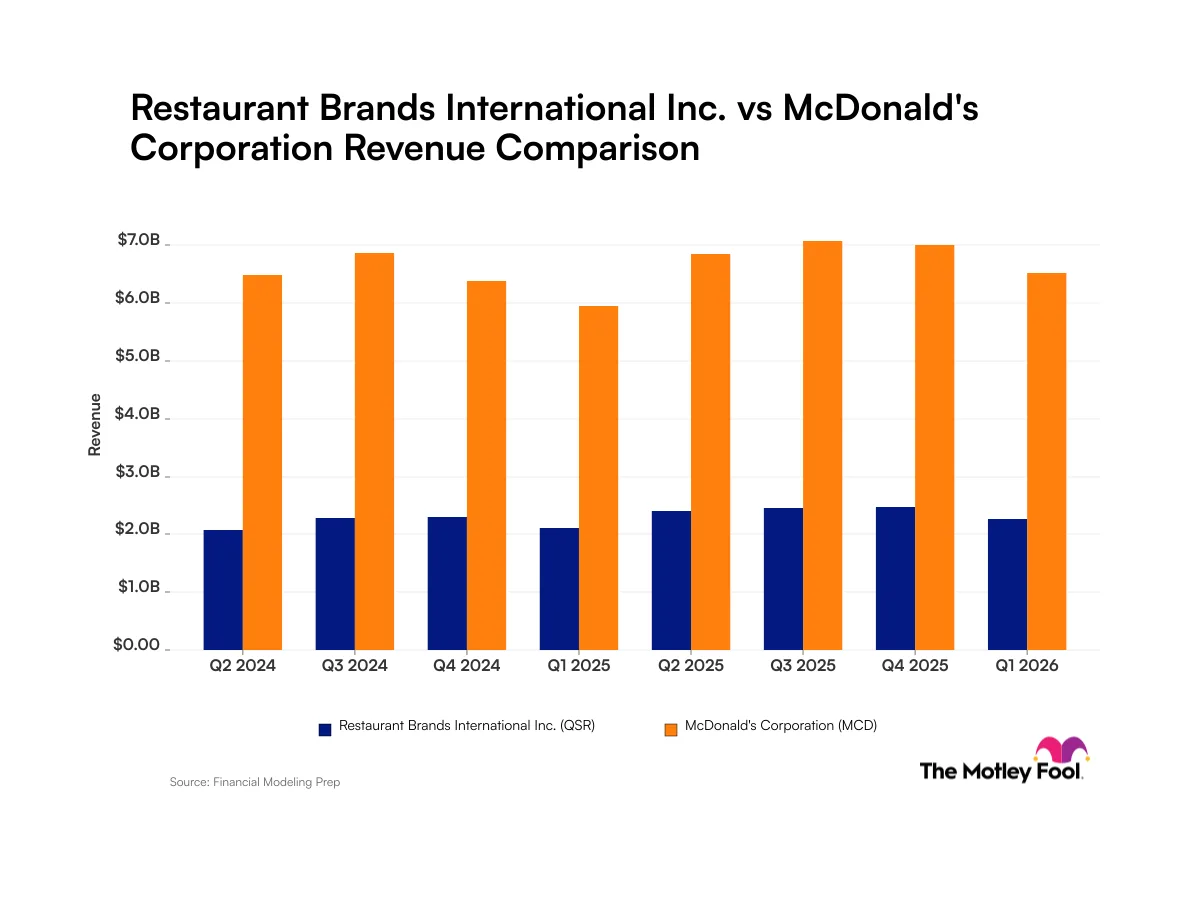
Restaurant Brands International and McDonald's, two of the world's largest fast-food operators, are drawing renewed investor scrutiny as analysts compare their revenue trajectories against a backdrop of cautious consumer spending and persistent cost pressures. The rivalry between the parent company of Burger King, Tim Hortons, and Popeyes and the iconic golden arches offers a window into how divergent strategies shape financial outcomes at scale.
McDonald's has long benefited from its asset-light franchise model and global brand recognition, giving it a formidable base for generating consistent top-line growth. Its ability to leverage value-menu promotions and digital loyalty programs has helped sustain customer traffic even as discretionary budgets tighten across key markets in North America and Europe.
Read more Investors Dump Magnificent 7 ETF, Rotate Into DRAM Plays →
Restaurant Brands International, meanwhile, has pursued aggressive international expansion and menu innovation across its portfolio of chains, betting that geographic diversification and brand differentiation can close the gap with its larger rival. The company's multi-brand structure presents both an opportunity to cross-leverage operational expertise and a challenge in maintaining consistent performance across distinct consumer segments.
For investors, the comparison highlights a fundamental question in the quick-service restaurant sector: whether scale and singular brand focus, as exemplified by McDonald's, outperforms the breadth of a multi-concept operator like Restaurant Brands over a full market cycle. Both companies are contending with rising labor costs, franchisee relations, and the growing influence of third-party delivery platforms on margin profiles.
The fast-food industry's revenue dynamics will remain a critical indicator of broader consumer health as spending patterns continue to evolve heading into the latter half of the year. Continue reading at Yahoo Finance.