Sam Altman Rules Out OpenAI IPO in 2025, Cites AI Safety Concerns
OpenAI CEO Sam Altman says taking the company public now would be 'ill-advised' amid heightened concerns about artificial intelligence safety.
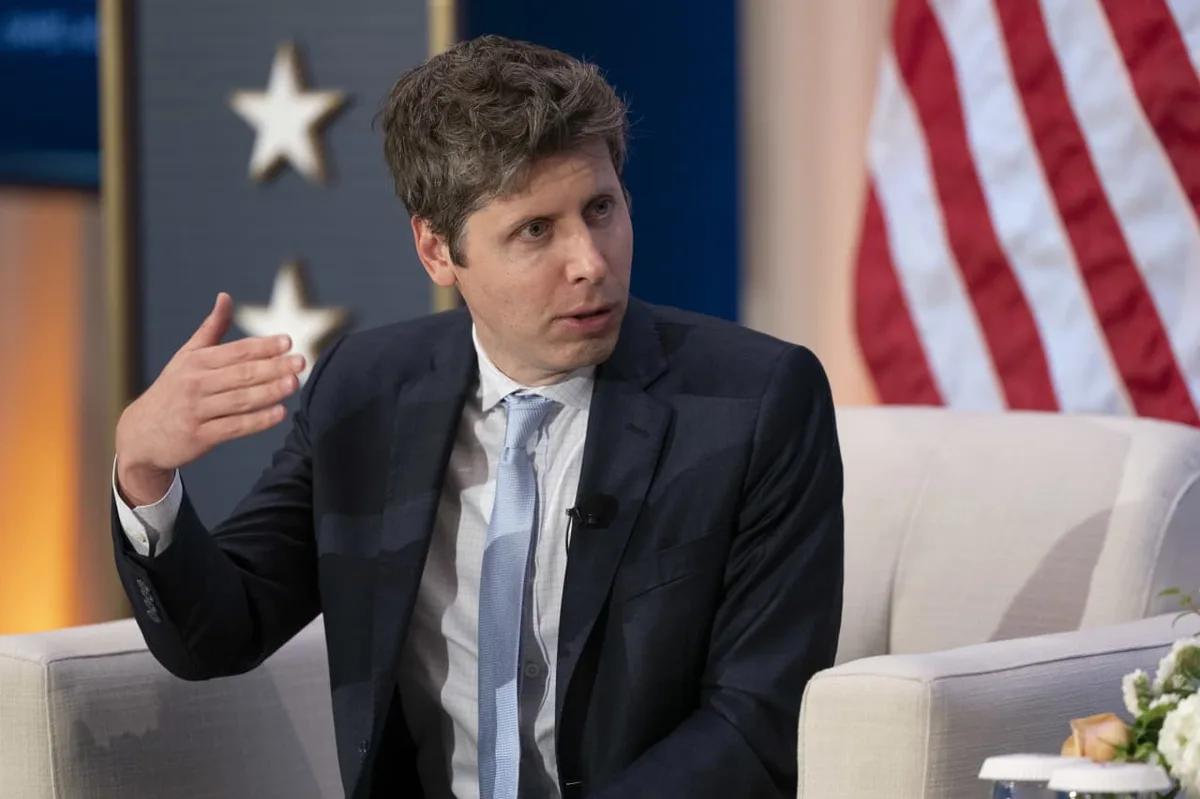
OpenAI CEO Sam Altman has publicly ruled out an initial public offering for the ChatGPT maker in the near term, calling a move to the public markets at this moment "ill-advised" as scrutiny over artificial intelligence safety continues to intensify across the industry and in Washington.
Altman's comments reflect a broader tension facing OpenAI as it navigates explosive commercial growth alongside mounting pressure from regulators, researchers, and advocacy groups who warn that powerful AI systems require more oversight before companies behind them take on the added accountability — and distraction — that comes with being publicly traded.
Read more Tim Cook Steps Down as Apple CEO, John Ternus Takes Over →
Going public typically demands that a company shift significant management bandwidth toward investor relations, quarterly earnings cycles, and disclosure obligations. For a company like OpenAI, which is simultaneously trying to develop some of the most consequential technology in history, Altman appears to view that tradeoff as untenable right now, when getting AI development right arguably matters more than unlocking liquidity for early backers.
The timing of Altman's remarks is notable. AI safety concerns have accelerated sharply in recent months, with former OpenAI employees, competing labs, and members of Congress all raising alarms about the pace of development and the adequacy of existing guardrails. Listing on a public exchange under that cloud would expose OpenAI to unpredictable stock volatility tied directly to every safety headline or regulatory development — a dynamic Altman clearly wants to avoid.
While no timeline for a future IPO was offered, the statement signals that OpenAI intends to remain private at least through the current period of regulatory and reputational uncertainty surrounding the AI sector. Continue reading at MarketWatch.com.