SEC Plans Crypto Rulemaking This Month to Ease Startup Fundraising
The U.S. SEC is preparing to propose new crypto rules as early as this month aimed at reducing barriers for startups seeking to raise capital.
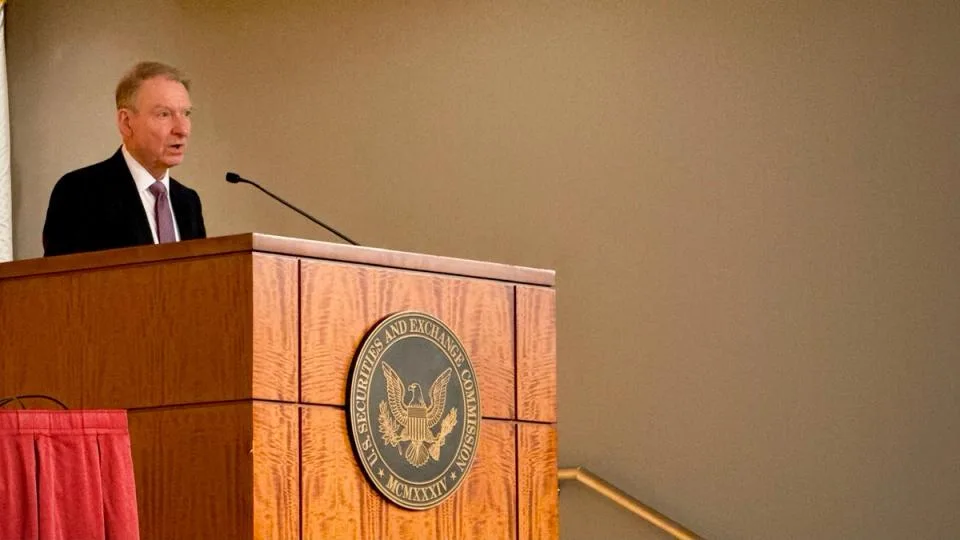
The U.S. Securities and Exchange Commission is moving to propose new cryptocurrency regulations as soon as this month, a development that could significantly lower the barriers facing crypto startups looking to raise funds, according to a report from CoinDesk. The anticipated rulemaking marks a notable shift in posture from a regulator that spent much of the past several years pursuing enforcement actions against digital asset companies rather than crafting clear, industry-friendly guidelines.
The proposed rules are expected to focus on easing the fundraising process for early-stage crypto ventures, a sector that has long complained that existing securities law — written decades before blockchain technology existed — creates an unworkable compliance environment. Startups in the space have frequently faced uncertainty about whether their token offerings qualify as securities, exposing them to potential SEC action without providing a clear path to legal operation.
Read more NATO Allies to Huddle With Gulf Arabs Over Hormuz Strait Tensions →
The timing of the proposal is significant. It comes under a reconstituted SEC leadership that has signaled a more constructive approach to digital assets, stepping back from the aggressive litigation strategy that defined the prior administration's handling of the crypto industry. Market participants have been watching closely for concrete regulatory proposals that would give projects and investors firmer legal footing.
Analysts note that well-crafted safe-harbor provisions or exemptions tailored to crypto fundraising could unlock a new wave of compliant token offerings and venture activity in the United States, potentially reversing a trend of crypto startups incorporating abroad to avoid regulatory ambiguity at home. The details of the proposal, however, remain critical — overly narrow exemptions could leave most projects in the same uncertain position they occupy today.
Continue reading at CoinDesk.