Single-Stock ETFs Push Leverage Limits in Evolving ETF Market
The ETF market has shifted from low-cost index funds to high-risk single-stock leveraged products, with SK Hynix emerging as the latest flashpoint.
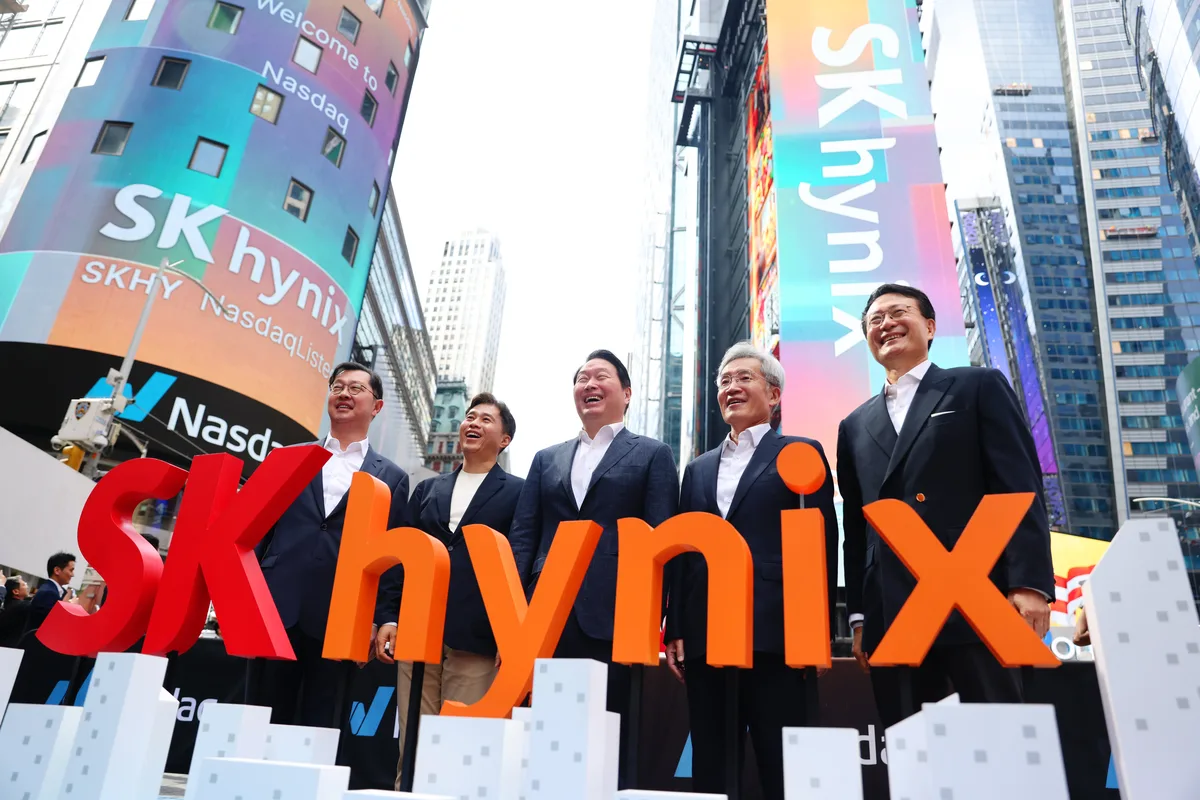
The exchange-traded fund industry, once celebrated for democratizing low-cost, tax-efficient index investing, is now testing the outer boundaries of leverage as single-stock ETFs multiply — and SK Hynix has become the latest symbol of that escalating risk appetite. Industry observers warn that leverage in this corner of the market has gotten "a little carried away," signaling a meaningful departure from the foundational principles that made ETFs a mainstream staple.
The original ETF revolution was built on simplicity and efficiency: broad market exposure, minimal fees, and favorable tax treatment that made core index funds the backbone of millions of retail portfolios. That era now shares space with a far more aggressive generation of products designed to amplify the daily returns — or losses — of individual company stocks, a structure that introduces compounding risk most retail investors may not fully appreciate.
Read more Dow Jones Top Gainers and Losers: Friday Session Movers →
SK Hynix, the South Korean semiconductor giant, represents the newest frontier in this trend, illustrating how single-stock leveraged ETFs are expanding beyond familiar US-listed names and into globally significant companies. The move raises fresh questions about who these instruments are designed for, how they behave during periods of volatility, and whether current regulatory guardrails are sufficient to protect everyday investors drawn in by the promise of outsized gains.
The broader concern is systemic. As leveraged single-stock ETFs attract more capital and cover more underlying names, the feedback loops between ETF rebalancing activity and individual stock price movements could become more pronounced — particularly in thinly traded or highly volatile equities. What began as a niche product category is quietly becoming a structural feature of modern equity markets, one that demands closer scrutiny from both regulators and investors alike.
Continue reading at US Top News and Analysis.