Social Security Overpayment Dispute: Can Benefits Be Cut?
A beneficiary disputes a Social Security overpayment claim spanning seven years, arguing the agency misapplied earnings to the wrong year.
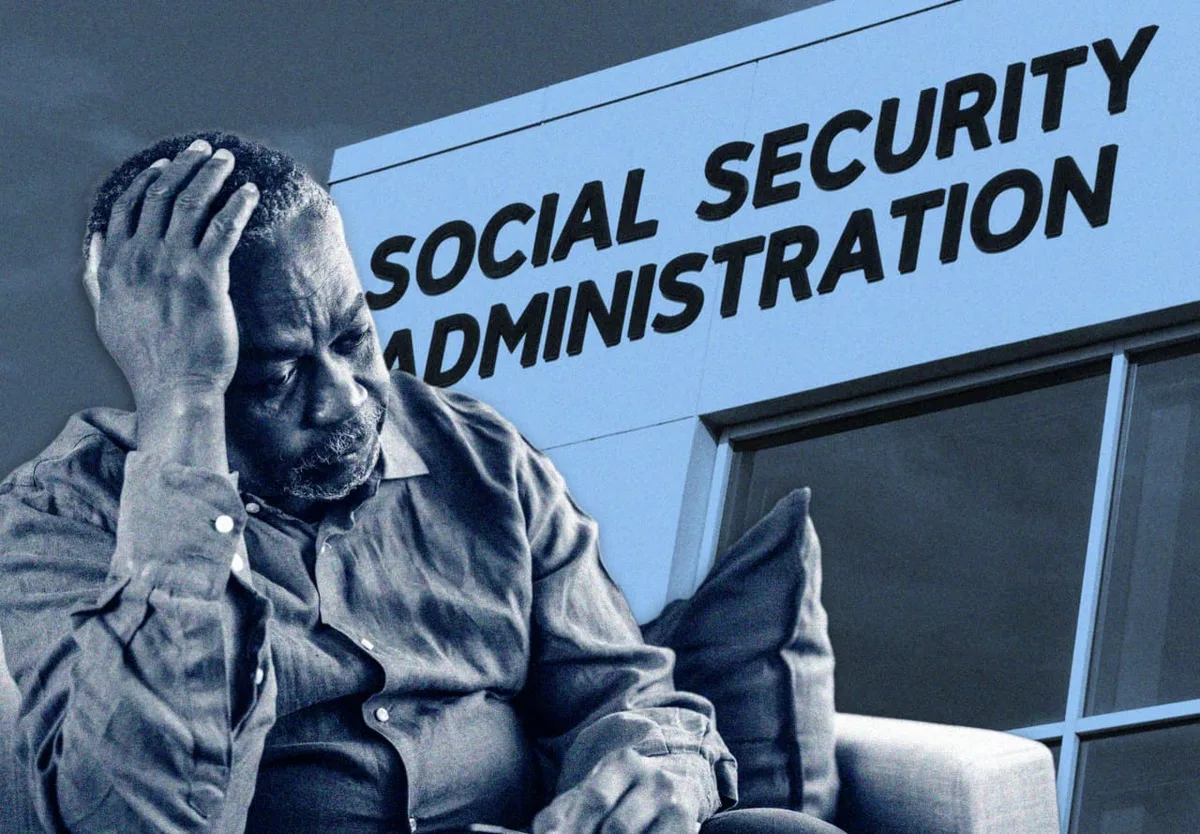
A Social Security recipient is pushing back against the agency after being told they were overpaid for seven years, with the dispute hinging on a single year's earnings being logged in the wrong tax year. The beneficiary contends that roughly $43,000 in income the agency attributed to 2019 was actually earned in 2020 — a clerical or reporting discrepancy that, if confirmed, could invalidate the overpayment determination entirely.
Social Security overpayment cases carry serious consequences. The agency has the legal authority to reduce or suspend monthly benefit payments to recover money it believes was wrongly distributed, putting recipients in a financially precarious position even when the underlying facts are contested. For someone who has been collecting benefits for seven years under what they believed were proper terms, a sudden clawback demand can be devastating.
Read more Annuities Moving Into 401(k) Plans: What Workers Need to Know →
When a beneficiary believes Social Security has made an error, they have the right to formally appeal the overpayment finding and simultaneously request a waiver of repayment if they feel they are not at fault and repayment would cause financial hardship. Filing an appeal typically pauses collection efforts while the case is reviewed, giving the recipient critical breathing room. Documentation — such as W-2 forms, tax returns, and employer records clearly showing when income was actually earned — becomes the cornerstone of any successful challenge.
The case highlights a broader vulnerability in how Social Security cross-checks earnings data reported by employers against benefit payments. Timing mismatches between when income is earned and when it is officially reported to the IRS can trigger erroneous overpayment flags, leaving beneficiaries to bear the burden of proof. Advocates for seniors and disability recipients have long argued the appeals process needs to be more accessible and less intimidating for those who may lack resources to fight bureaucratic errors.
Continue reading at MarketWatch.com