Tesla Semi Could Reshape Trucking as Diesel Costs Bite
Morgan Stanley sees a massive opportunity for Tesla's long-delayed Semi truck as high diesel prices pressure fleet operators.
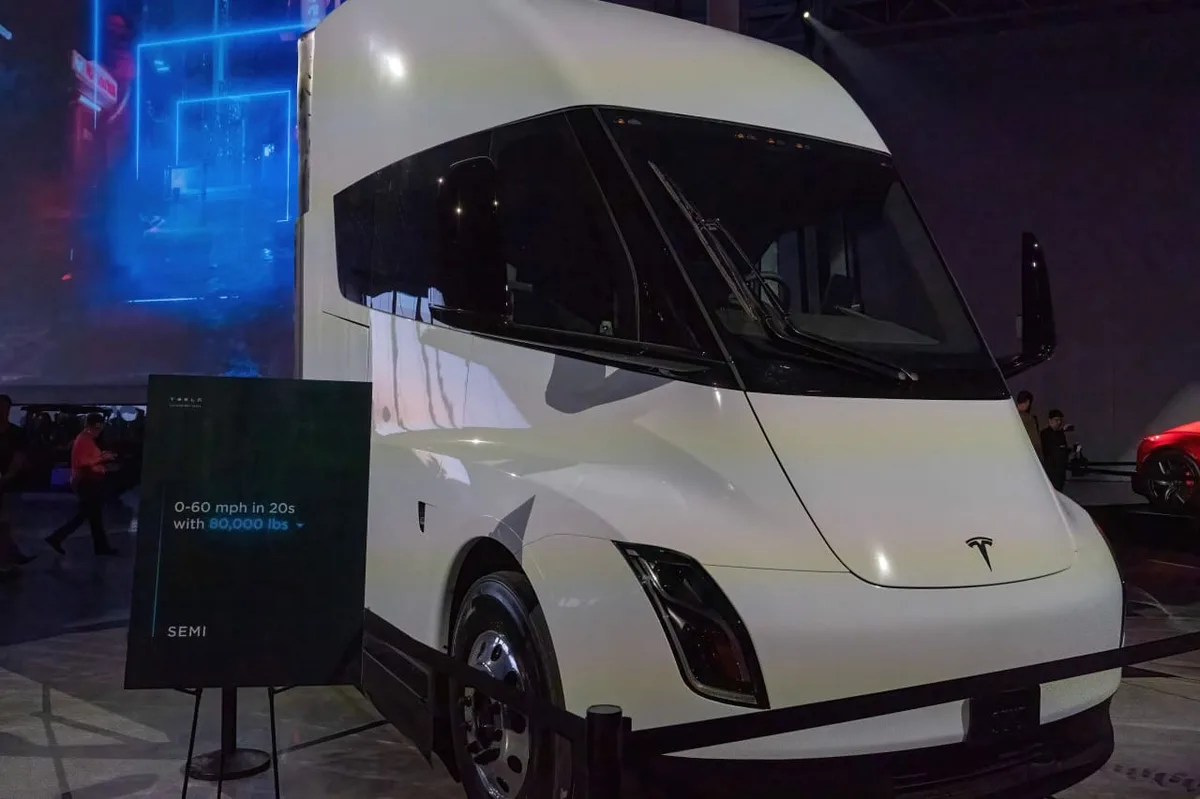
Tesla is gearing up to push its long-delayed Semi truck into serious production, and Wall Street analysts at Morgan Stanley believe the timing could not be better for the electric vehicle maker to seize a transformative share of the commercial trucking market. With diesel prices remaining stubbornly elevated, fleet operators across the country are under mounting financial pressure to find alternatives — and the Semi is positioned to offer exactly that.
The trucking industry represents one of the largest and most fuel-dependent sectors of the American economy, making it a high-stakes arena for EV adoption. Morgan Stanley's analysis suggests Tesla could capitalize on the current energy cost environment by offering fleets a compelling total-cost-of-ownership argument, even if the Semi's upfront price carries a premium over conventional diesel rigs.
Read more SanDisk's 2,107% Surge Blurs Growth and Value Stock Lines →
Tesla has faced years of production delays on the Semi, a vehicle it first unveiled in 2017. The company has slowly begun deliveries to select customers, including PepsiCo, but has yet to scale output to the volumes needed to make a measurable dent in the broader freight market. Accelerating that ramp-up is now a central challenge — and opportunity — for the automaker.
The strategic stakes go beyond simple unit sales. If Tesla can establish the Semi as the preferred long-haul electric platform, it could also build a recurring revenue stream through charging infrastructure, software, and fleet management services — business lines that carry far higher margins than vehicle manufacturing alone. Analysts view that ecosystem play as a key part of the long-term bull case.
Whether Tesla can finally execute on the Semi's promise after years of false starts will be a critical test of the company's manufacturing discipline and its ability to compete in a trucking sector that has historically been slow to adopt new technology. Continue reading at MarketWatch.com


