Trump Crypto Holdings Cast Shadow Over Conflict-of-Interest Bill
Congressional talks on the Clarity Act's ban on officials holding crypto face pressure from Trump's reported digital-asset wealth.
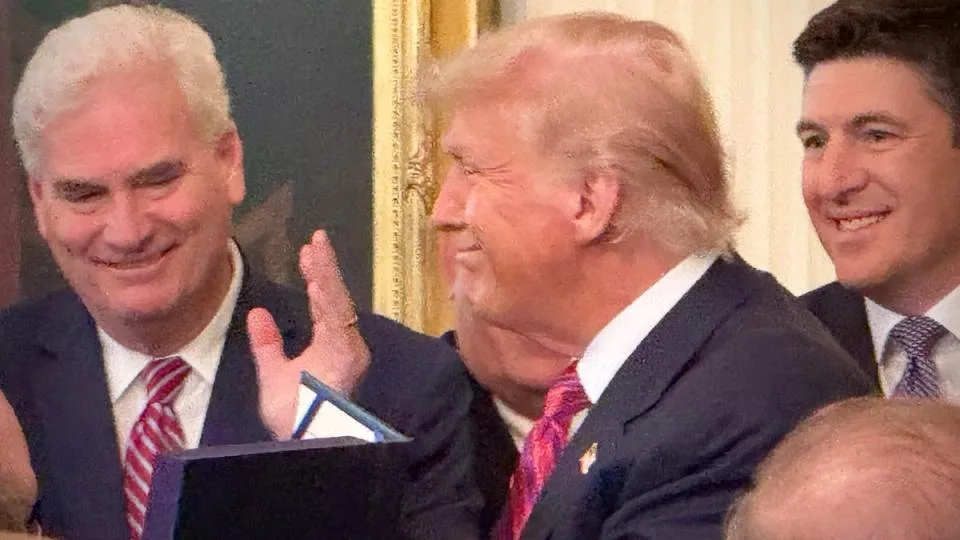
Negotiations over the Clarity Act, a sweeping piece of crypto legislation aimed at banning U.S. officials from holding or trading digital assets, are running headlong into an uncomfortable political reality: President Donald Trump and his family have amassed significant cryptocurrency holdings, creating a potential conflict of interest at the highest level of government.
Lawmakers pushing the conflict-of-interest provisions argue that no sitting president or senior official should be able to profit personally from policies that directly shape the regulatory environment for an emerging asset class. Crypto markets are acutely sensitive to federal decisions on taxation, classification, and oversight — making personal holdings by decision-makers a uniquely fraught issue that traditional financial disclosure rules were never designed to address.
Read more Clarity Act Does Not Open Door to Sanctions Evasion, Experts Say →
The tension surrounding Trump's crypto riches is injecting uncertainty into what supporters had hoped would be a bipartisan reform effort. Negotiators are now grappling with how far any prohibition should extend — whether it would apply only to future officeholders, exempt existing positions, or require divestiture within a set window — questions that carry direct implications for the current administration.
Critics warn that without strong conflict-of-interest guardrails baked into the legislation, the Clarity Act risks becoming a framework that legitimizes crypto markets while leaving unchecked the ability of powerful insiders to benefit from the very rules they help write. Supporters of a clean ban say any carve-outs would fatally undermine the credibility of the bill and broader U.S. crypto policy.
The standoff illustrates a broader challenge facing Washington as digital assets move from the financial fringe to the center of economic policymaking: existing ethics architecture was built for a pre-crypto era, and retrofitting it to cover volatile, pseudonymous assets held by elected officials is proving politically and technically complex. Continue reading at CoinDesk.