Trump Crypto Holdings Cast Shadow Over Conflict-of-Interest Bill
Lawmakers debating the Clarity Act face pointed questions about whether Trump's crypto wealth creates a conflict as Congress shapes digital-asset rules.
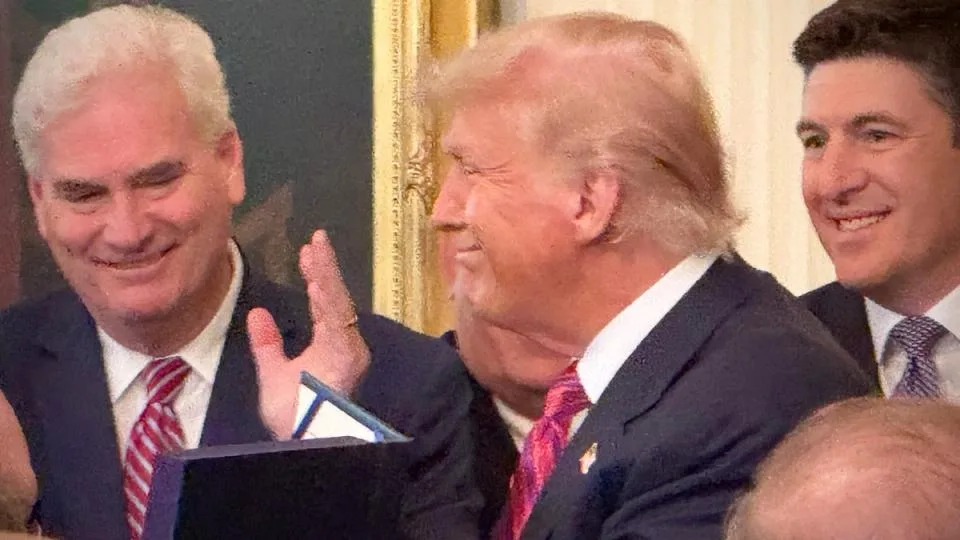
Congressional negotiations over the so-called Clarity Act — legislation aimed at establishing clearer regulatory boundaries for digital assets — are being complicated by a politically charged backdrop: President Donald Trump's own substantial cryptocurrency holdings, which critics argue represent a direct conflict of interest as the White House weighs in on crypto policy.
The bill under discussion includes provisions that would restrict U.S. government officials from holding or trading certain digital assets while serving in office, a measure designed to prevent self-dealing in a sector that Congress is simultaneously trying to regulate. Trump's known crypto interests, however, have placed those conversations in an uncomfortable spotlight, raising questions about how aggressively such conflict-of-interest language will ultimately be enforced or even preserved in the final text.
Read more Clarity Act Does Not Open Door to Sanctions Evasion, Experts Say →
Opponents of watering down the ethics provisions argue that the credibility of any federal crypto framework depends on lawmakers and executives being demonstrably free from financial incentives to favor one policy outcome over another. Supporters of a lighter-touch approach contend that overly rigid restrictions could deter qualified financial professionals from entering public service at a moment when digital-asset expertise in government is badly needed.
The tension reflects a broader challenge facing Washington as it attempts to construct the first comprehensive U.S. cryptocurrency regulatory architecture: how to write rules that are both technically sound and politically legitimate when some of the most powerful figures shaping that architecture have personal financial stakes in the outcome. Advocates for strong ethics guardrails say the integrity of the entire legislative effort hinges on resolving that question transparently and before any final vote.
Continue reading at CoinDesk.