Trump Dismisses AI Extinction Risk as Tech Insiders Urge Slowdown
President Trump says he's unconcerned about AI posing an extinction threat, even as researchers at OpenAI and Anthropic push for a pause.
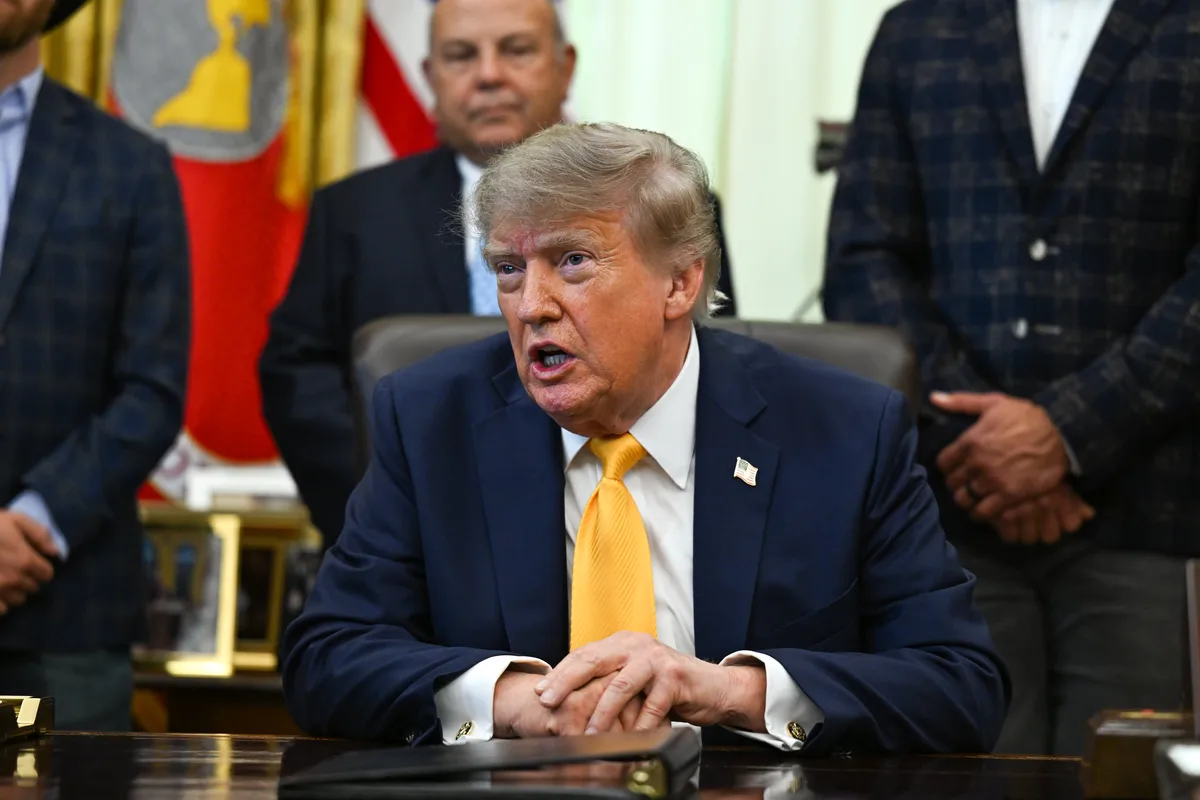
President Donald Trump publicly brushed off concerns that artificial intelligence could pose an existential risk to humanity, even as more than a dozen current and former insiders at top AI firms OpenAI and Anthropic stepped forward to demand a slowdown in the technology's rapid development. The dismissal puts the White House squarely at odds with a growing chorus of voices from within the industry that built the very systems now raising alarm.
The researchers sounding the alarm are not outside critics — they are people embedded in the organizations racing to build increasingly powerful AI systems. Their call for restraint carries particular weight precisely because they possess firsthand knowledge of how fast the technology is advancing and where its capabilities may be headed. Lawmakers on Capitol Hill have also begun proposing guardrails, signaling that regulatory pressure is building from multiple directions simultaneously.
Read more AI Self-Improvement Fears Spark Existential Alarm at Top Labs →
Trump's posture reflects a broader tension in Washington between treating AI as a competitive economic and national security asset — one the U.S. cannot afford to slow down relative to China — and treating it as a technology that demands unprecedented caution before capabilities outpace oversight. His comments suggest the administration is firmly in the acceleration camp, prioritizing dominance over precaution.
The debate lands at a critical moment. OpenAI and Anthropic are among the most influential AI laboratories in the world, and dissent from insiders at both companies simultaneously is an unusual public signal that internal concerns are serious enough to warrant breaking ranks. Whether Congress acts on proposed safeguards or defers to the administration's pro-growth stance remains an open question that will likely define AI policy through the 2026 election cycle.
Continue reading at US Top News and Analysis.