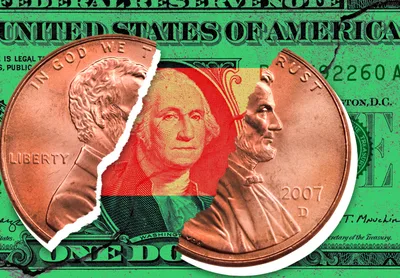
Trump vs. Fed: How a Rate Hike Could Spark New Independence Battle
The Federal Reserve unanimously raised rates a quarter point, defying Trump's calls for cuts and setting up a potential clash over central bank independence.
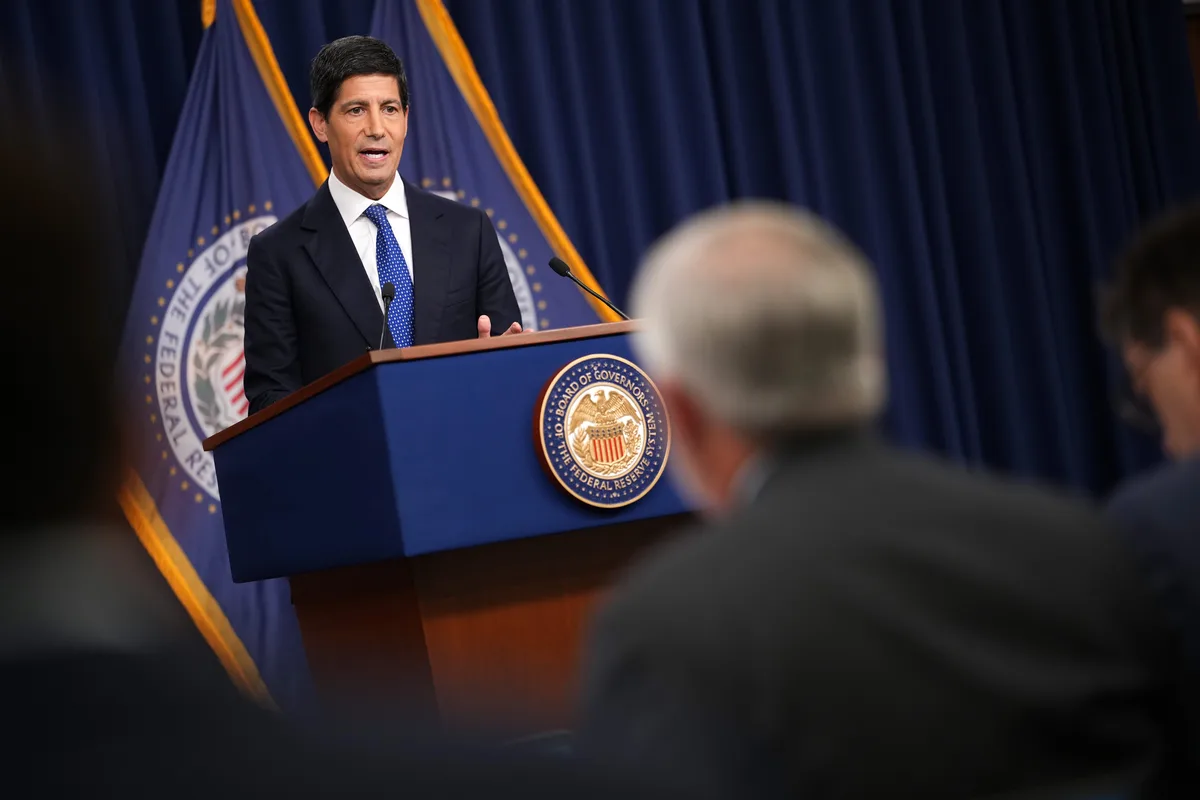
The Federal Reserve voted unanimously to raise interest rates by a quarter of a percentage point, directly defying President Donald Trump's repeated public demands for lower borrowing costs and reigniting a high-stakes confrontation over the central bank's political independence.
The unanimous decision signals that Fed policymakers remain committed to their inflation-fighting mandate regardless of White House pressure — a stance that puts the institution on a collision course with a president who has historically viewed low interest rates as both an economic and political asset.
Read more After Killing the Penny, Inflation Now Threatens the Dollar Bill →
Trump has made no secret of his desire to influence monetary policy, and a rate hike over his explicit objections raises immediate questions about what tools, if any, he might deploy to push back. Analysts have long warned that any attempt to undermine the Fed's operational autonomy — whether through personnel moves, public intimidation, or legislative pressure — could rattle financial markets and erode confidence in the dollar.
The fight over Fed independence is not new, but the unanimity of this decision strips Trump of the argument that dissenting governors support his position. That dynamic could embolden the president to escalate his rhetoric or explore more aggressive institutional responses in the weeks ahead.
The standoff underscores a structural tension that has simmered throughout Trump's political career: a president who wants cheap money facing a central bank legally insulated from direct executive control. How that tension resolves will have lasting consequences for U.S. monetary credibility and market stability. Continue reading at US Top News and Analysis.