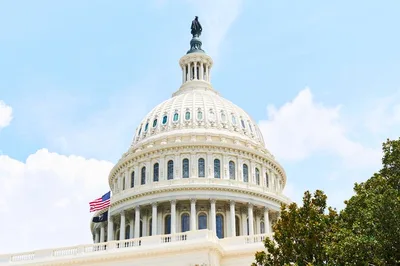
US and UK Move to Align Tokenized Finance Rules Globally
Washington and London are coordinating regulatory frameworks for tokenized assets, targeting the world's largest financial markets.
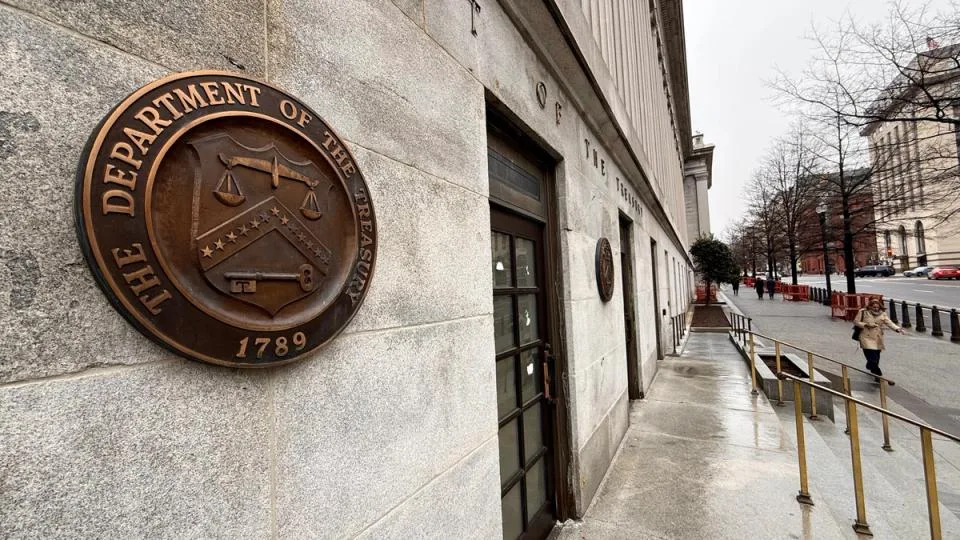
The United States and the United Kingdom are taking coordinated steps to align their regulatory rules governing tokenized finance, a move that could reshape how digital assets are treated across two of the world's most influential financial markets. The joint effort signals a significant shift toward international regulatory cohesion in a sector that has long operated in a fragmented, jurisdiction-by-jurisdiction landscape.
Tokenized finance — the process of representing traditional financial assets such as bonds, equities, and funds as digital tokens on a blockchain — has grown rapidly in recent years, attracting major institutional players seeking greater efficiency, transparency, and settlement speed. Regulatory uncertainty, however, has remained one of the sector's most persistent obstacles to mainstream adoption.
Read more Clarity Act Does Not Open Door to Sanctions Evasion, Experts Say →
By moving to harmonize their approaches, US and UK regulators could establish a de facto global standard, given the outsized weight both markets carry in international finance. Such alignment would reduce compliance burdens for firms operating across borders and could accelerate institutional capital flows into tokenized instruments.
The coordination effort reflects a broader recognition among policymakers that digital asset markets are inherently cross-border in nature, and that unilateral regulatory action risks pushing activity toward less-regulated jurisdictions. A unified Anglo-American framework could serve as a template for other major economies weighing their own tokenization policies.
The implications for global capital markets are substantial. If successful, this alignment could fast-track adoption of blockchain-based settlement infrastructure and bring greater legitimacy to tokenized versions of traditionally illiquid asset classes. Continue reading at CoinDesk.