US Auto Industry Braces for Uncertainty Over USMCA Deal Extension
Automakers face mounting uncertainty as the USMCA trade deal's future remains unclear, with rules of origin at the center of the debate.
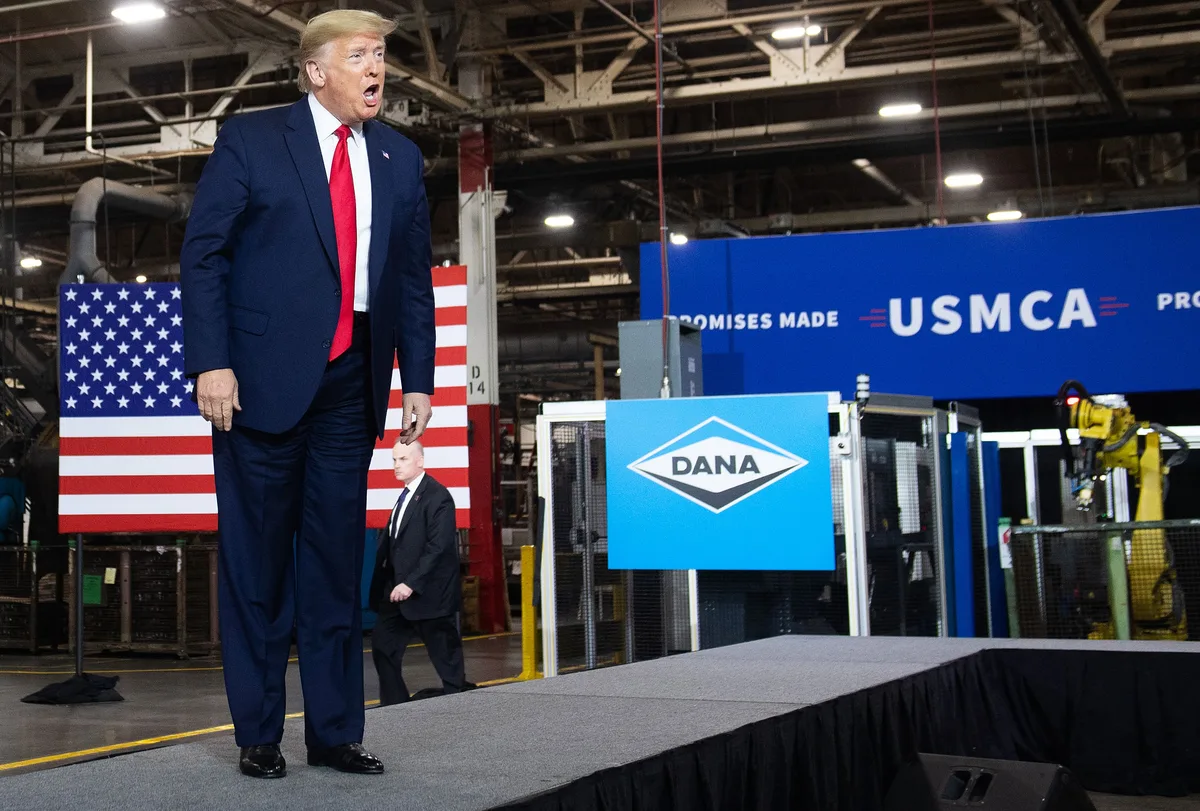
The United States auto industry is confronting a wave of uncertainty as questions mount over whether the USMCA trade agreement will be extended, a development that could reshape manufacturing and supply chains across North America. Automakers, suppliers, and workers stand at the center of the storm, with no clear resolution in sight.
At the heart of the dispute are the deal's rules of origin — the provisions that define where a product is considered to have been made and which goods qualify for preferential trade treatment. For automakers, these rules directly govern how vehicles and their components must be sourced across the United States, Mexico, and Canada to avoid tariffs and other trade barriers.
Read more General Mills Bets on Protein Cheerios and Pet Food to Lift Sales →
Without an extension or renegotiation of the agreement, manufacturers could face significantly higher costs if their supply chains no longer meet the threshold requirements for duty-free access. The ripple effects would likely be felt not just on factory floors but in pricing for consumers and investment decisions by global automakers weighing future North American production.
The USMCA, which replaced the original NAFTA agreement, was designed to encourage more North American content in vehicles, particularly pushing for higher percentages of steel, aluminum, and auto parts to be sourced regionally. Any lapse or weakening of the deal threatens to unravel years of supply chain restructuring that automakers undertook to comply with those stricter standards.
Analysts warn that prolonged ambiguity over the deal's status could delay capital investment decisions and force some manufacturers to begin contingency planning for a more fragmented trade environment. Continue reading at US Top News and Analysis.