US Begins Rolling Back Post-9/11 Travel Security Rules After 25 Years
For the first time in decades, U.S. authorities are easing 9/11-era travel restrictions as threats and screening technology evolve.
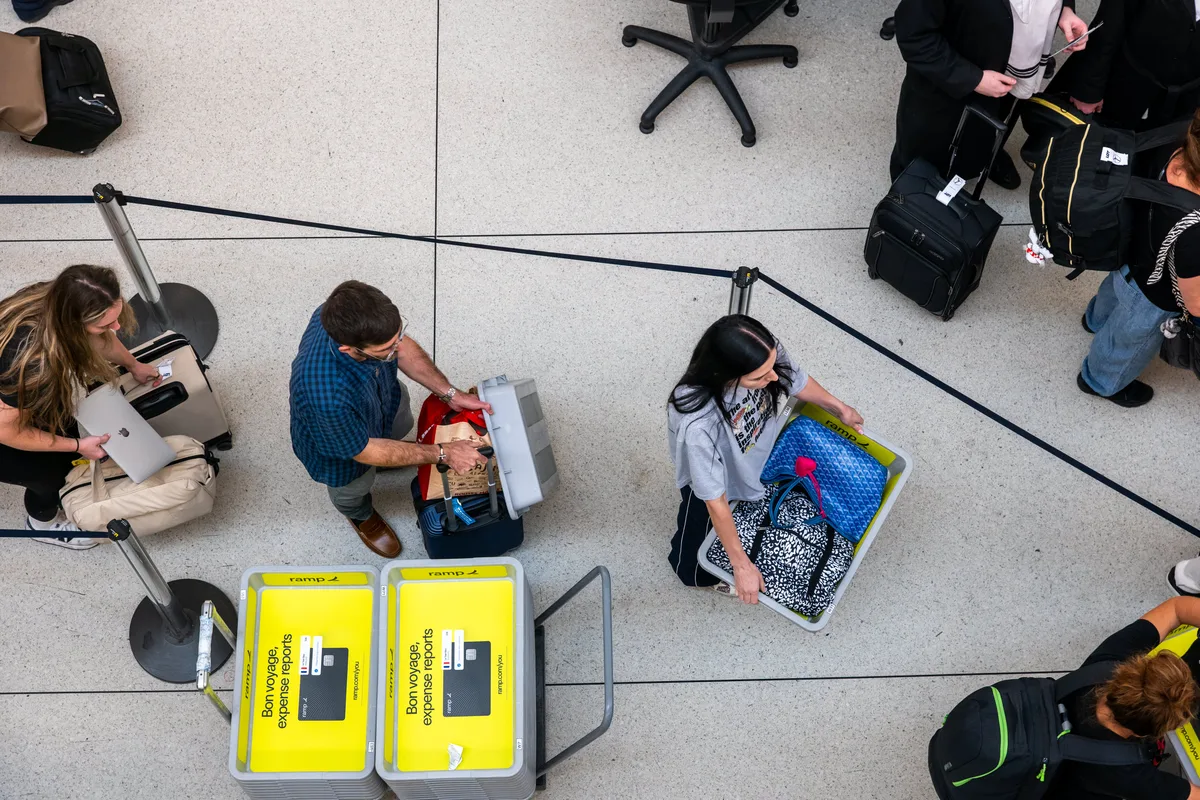
Twenty-five years after the September 11 attacks reshaped American air travel, U.S. authorities have begun reversing some of the sweeping security protocols that became fixtures of airport life, according to a report from US Top News and Analysis. The rollback marks one of the most significant shifts in domestic aviation security policy since the measures were first introduced in the chaotic aftermath of 2001.
The changes under review include long-standing rules on liquids carried aboard aircraft and restrictions governing passenger access to gate areas — two policies that millions of travelers encounter on virtually every trip through an American airport. Both measures were implemented in response to specific threat environments that security officials now assess have materially changed.
Read more AI Self-Improvement Fears Spark Existential Alarm at Top Labs →
Officials cited evolving threat landscapes and advances in screening technology as the twin drivers behind the policy reassessment. Modern imaging equipment and artificial intelligence-assisted detection systems have dramatically improved airports' ability to identify dangerous materials without relying on blanket prohibitions that apply to all passengers regardless of risk profile.
The move reflects a broader shift in how the federal government approaches transportation security — one that leans more heavily on precision risk assessment than the uniform, one-size-fits-all rules that defined the post-9/11 era. Critics and security advocates alike are expected to scrutinize the rollback closely, given the emotional and historical weight attached to the original policies and the attacks that spawned them.
Continue reading at US Top News and Analysis.