Why Stocks Tend to Rally When Congress Goes on Recess
Markets historically perform better during congressional recesses as reduced legislative activity lowers regulatory uncertainty for investors.
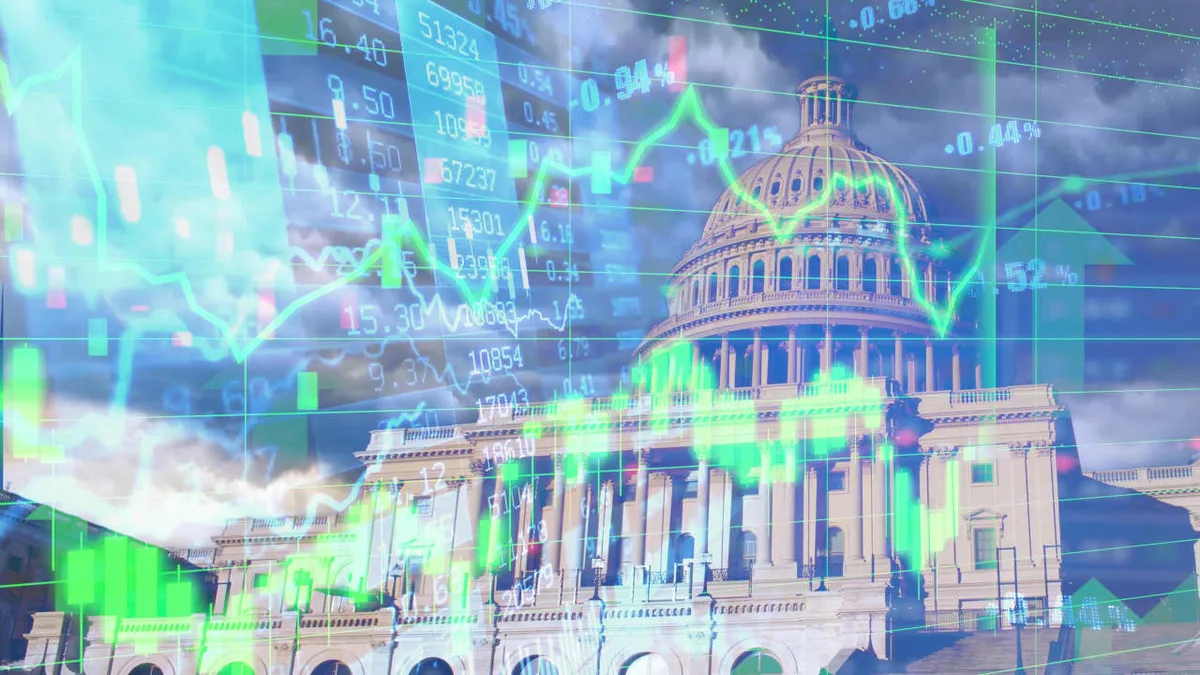
Wall Street tends to breathe easier when Capitol Hill goes quiet. Historical market data shows that stock prices deliver stronger performance during congressional recesses than when lawmakers are in session, a pattern driven by the regulatory uncertainty that active legislating injects into financial markets.
The core mechanism is straightforward: when Congress is in session, investors must price in the possibility of new laws, regulations, or policy shifts that could reshape the competitive landscape for publicly traded companies. That uncertainty acts as a persistent drag on equities, suppressing valuations and amplifying volatility. When lawmakers head home, that risk premium fades.
Read more OpenPayd Eyes Nasdaq IPO by Year-End to Fuel US Growth →
Analysts note that this dynamic is not about optimism or pessimism toward any particular piece of legislation — it is purely a function of uncertainty itself. Markets, by their nature, discount ambiguity, and an active legislative calendar is one of the most reliable generators of ambiguity in the domestic policy environment.
The implication for investors is subtle but meaningful. Portfolio positioning ahead of known recess periods — summer breaks, holiday adjournments, and campaign-season pauses — may carry a statistically observable tailwind, even if the effect is modest and subject to broader macroeconomic crosscurrents. No single factor drives markets, and geopolitical or earnings-related volatility can easily overwhelm any recess-driven calm.
Still, the underlying finding reinforces a longstanding principle in behavioral finance: policy risk is a real and measurable force in equity pricing, and its temporary removal has consequences investors cannot afford to ignore. Continue reading at MarketWatch.com