Why Your Stock Portfolio Is Exposed to Japanese Yen Risk
A potential Bank of Japan intervention in the yen could send shockwaves through U.S. equity markets, analysts warn.
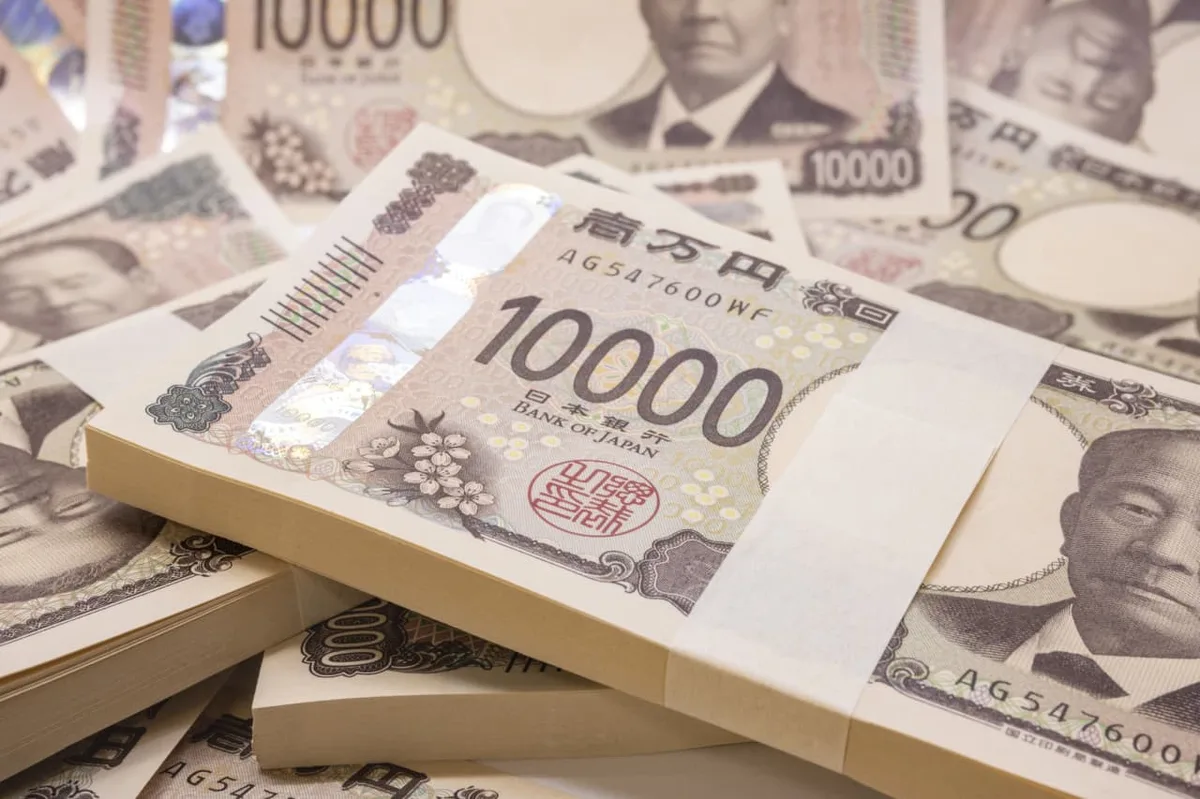
The Japanese yen has quietly become one of the most consequential forces acting on American stock portfolios, and a looming currency intervention by Japanese authorities is raising alarm bells for investors who may not even realize their exposure. The yen's movements are increasingly correlated with U.S. equity performance, meaning volatility in Tokyo can translate directly into turbulence on Wall Street.
The connection stems largely from the so-called yen carry trade, a popular strategy in which investors borrow cheaply in yen and deploy that capital into higher-yielding assets — including U.S. stocks and bonds. When the yen strengthens sharply, those trades can unwind rapidly, forcing investors to sell risk assets in a hurry and triggering broad market selloffs that catch many retail investors off guard.
Read more Johnson & Johnson Q2 Earnings Set to Test Its Growth Story →
Japanese authorities have a well-documented history of stepping into currency markets to stabilize the yen when it moves too far, too fast. Any such intervention at current levels could trigger exactly the kind of sudden yen appreciation that accelerates carry-trade unwinding. The speed and scale of that unwind would determine how severely U.S. equities absorb the shock.
For everyday investors, the takeaway is that geographic diversification no longer insulates a portfolio from foreign currency dynamics. A retirement account heavy in U.S. large-cap stocks or tech shares remains indirectly tethered to decisions made by policymakers in Tokyo — a linkage that traditional asset-allocation models often underestimate.
Understanding this cross-market relationship is increasingly essential for anyone managing long-term savings in today's globally interconnected financial system. Continue reading at MarketWatch.com