Apollo Warns Slower AI Returns Could Trigger a Recession
Apollo Global flags AI payoff delays as a recession risk, citing Chinese competition and falling token prices as key threats.
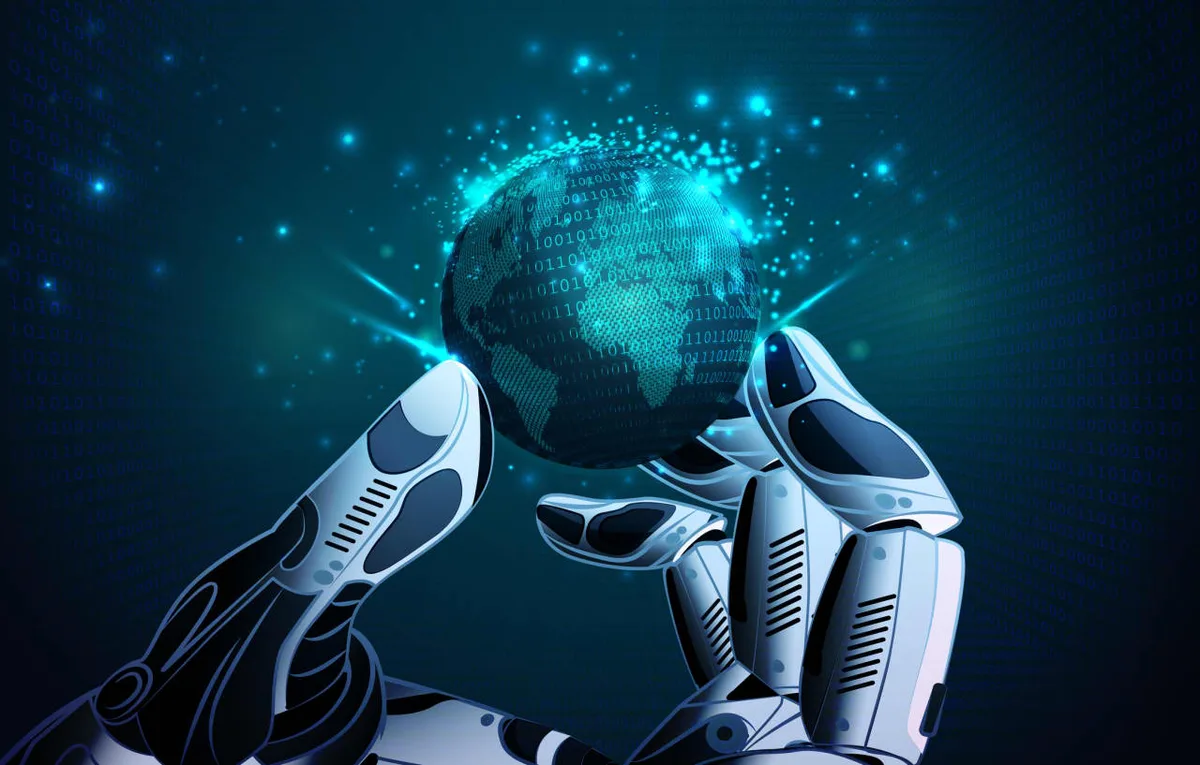
Apollo Global Management is sounding the alarm that a delayed return on artificial intelligence investments could be enough to tip the U.S. economy into recession, according to a new analysis from the firm. The warning comes as Wall Street pours trillions of dollars into AI infrastructure with the expectation of near-term productivity gains and revenue growth.
Two specific headwinds are driving Apollo's concern: intensifying competition from China and a sharp decline in AI token prices. If those forces compress the financial returns that U.S. companies expect from their AI buildout, the massive capital expenditures already committed could start to look like a liability rather than an asset.
Read more China PPI Hits 4-Year High as Consumer Inflation Slows →
The stakes are unusually high because AI spending has become one of the primary engines propping up corporate investment and, by extension, broader economic momentum. A slowdown or reversal in that spending cycle would reverberate across data-center construction, semiconductor supply chains, and cloud-services revenue — sectors that have been among the economy's brightest spots in recent quarters.
Apollo's warning adds to a growing chorus of skeptics who question whether the current pace of AI investment is sustainable without clearer evidence of commercial payoff. While major technology firms continue to announce record capital spending plans, the gap between expenditure and measurable return remains a source of mounting anxiety for economists and investors alike.
Continue reading at MarketWatch.com