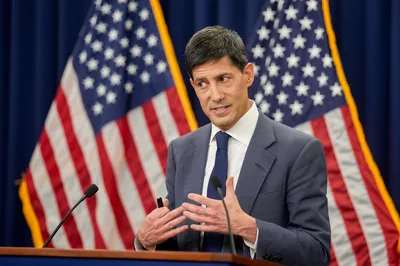
Landon Donovan: Youth Soccer Costs Would Have Shut Him Out Today
Soccer legend Landon Donovan says he'd have 'zero chance' affording youth soccer in today's America, reigniting debate over pay-to-play barriers.
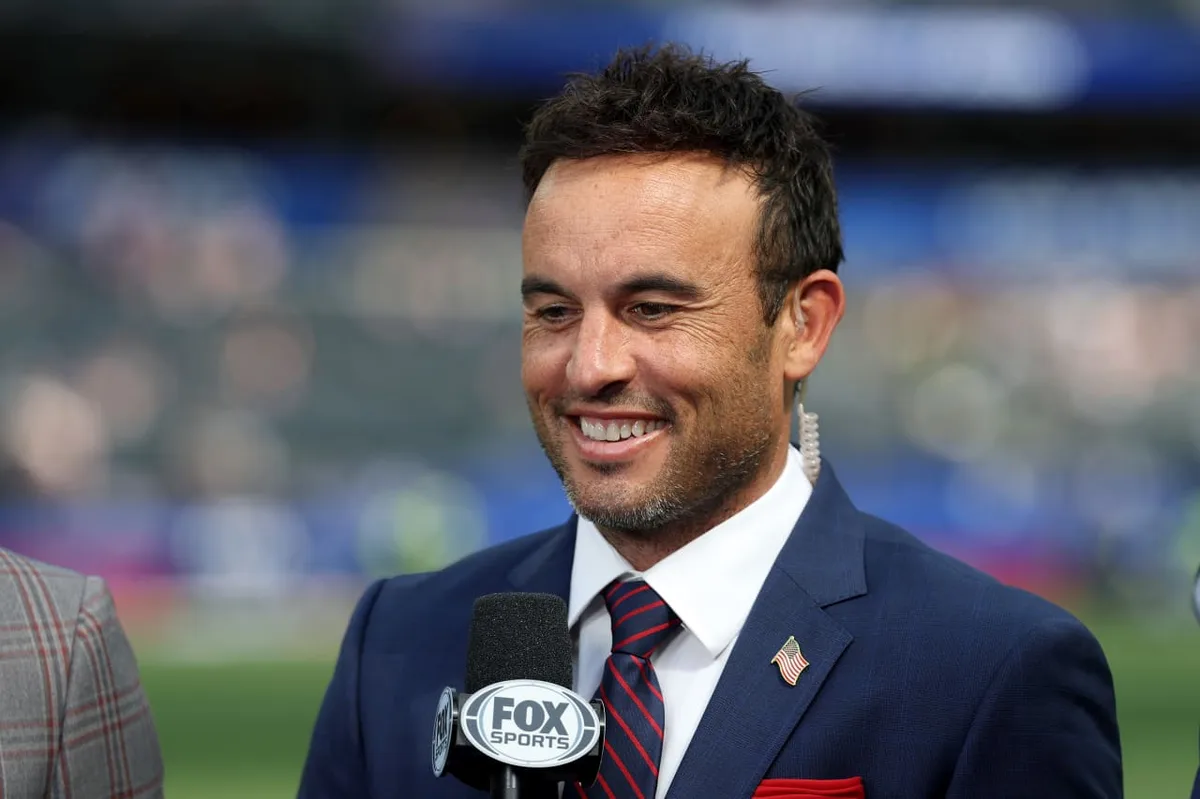
Soccer icon Landon Donovan declared this week that he would have had absolutely no chance of participating in American youth soccer if he were growing up today, pointing to the sport's spiraling costs as a barrier that is quietly undermining U.S. talent development on the world stage.
Donovan's comments land with added sting following yet another early exit for the U.S. men's national team, which again failed to advance past the Round of 16 at the World Cup. Critics and analysts have long argued that the country's pay-to-play model — in which families must fund club fees, travel, equipment, and coaching — systematically filters out lower-income athletes who might otherwise become elite players.
Read more China PPI Hits 4-Year High as Consumer Inflation Slows →
Unlike most of the world's top soccer nations, where academies and government-supported programs identify and develop talent at little or no cost to families, the American youth soccer structure places the financial burden almost entirely on parents. That economic gatekeeping means millions of children with raw athletic ability never get a realistic shot at the sport, potentially costing the national program the kind of working-class hunger and diversity of skill that fuels powerhouse programs abroad.
Donovan, one of the most decorated players in U.S. soccer history, carries significant weight when he frames the cost issue in personal terms. His willingness to say plainly that the system would have excluded even him underscores how dramatically the financial stakes have risen and adds a prominent voice to calls for structural reform in how America grows the game.
Whether his remarks will pressure U.S. Soccer or major youth organizations to reconsider the pay-to-play model remains to be seen, but the conversation is now front and center as the country prepares to host the 2026 World Cup. Continue reading at MarketWatch.com