China Builds Dollar Alternatives While Remaining Dependent on US Finance
Beijing is developing payment system workarounds to reduce sanctions exposure, but still relies heavily on US dollar access for global trade.
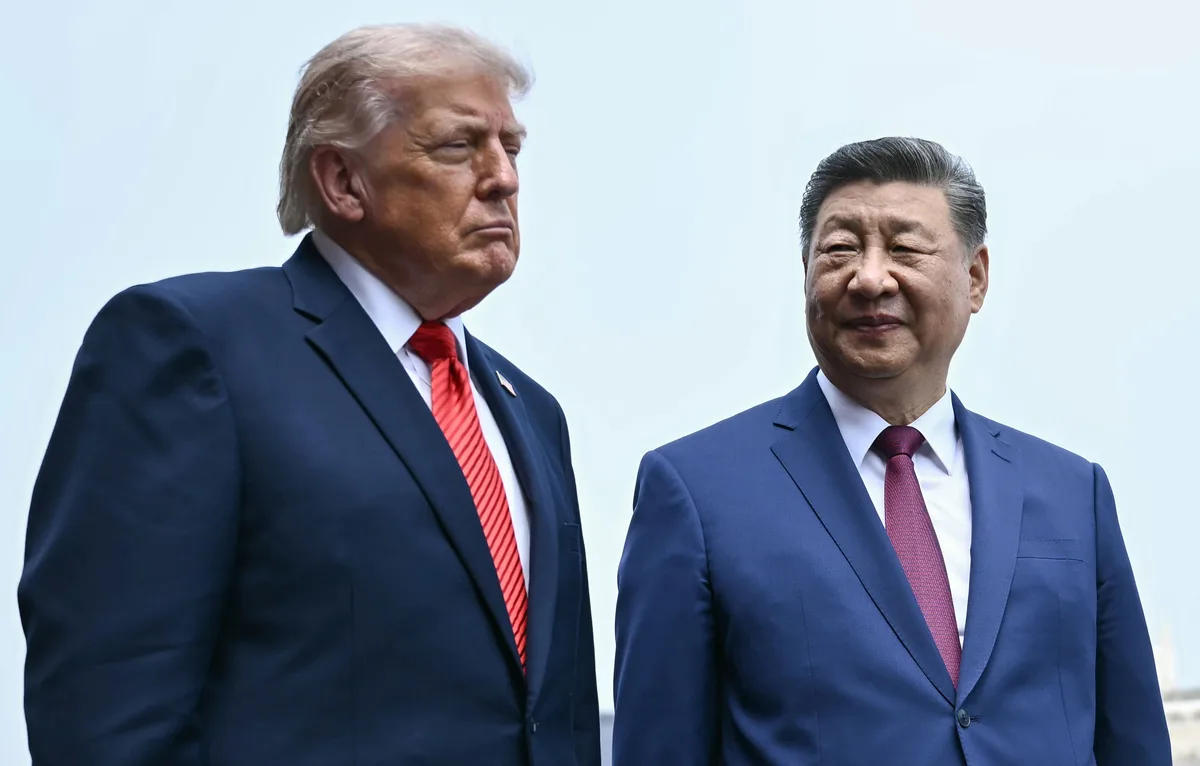
China remains deeply dependent on the US dollar for international trade and finance, yet Beijing is quietly constructing a parallel financial architecture designed to blunt Washington's ability to weaponize that dependence through economic sanctions, according to reporting from CNBC.
The tension sits at the core of US-China financial rivalry: American officials retain the power to pressure Chinese banks by threatening to cut off access to the dollar-dominated global financial system, a lever Washington has used effectively against countries like Iran. Chinese institutions that do business with sanctioned entities risk losing their ability to clear dollar transactions — a consequence serious enough to compel compliance even from major state-owned banks.
Read more US Tariffs, Canada Trade Tensions, and Tesla Recall Dominate Headlines →
Yet Beijing is not sitting still. China has been investing in alternatives such as CIPS — the Cross-Border Interbank Payment System — which is designed to process international yuan transactions without routing through Western-controlled financial infrastructure. The system represents Beijing's long-term bet that it can gradually reduce the chokehold Washington holds over Chinese financial institutions operating globally.
The strategic calculus is straightforward: as long as China runs a massive export economy that invoices and settles in dollars, it remains vulnerable to US financial pressure. Building out CIPS and encouraging yuan-denominated trade deals is Beijing's hedge, but analysts note that these alternatives remain far smaller in scale and credibility compared to the entrenched dollar system and its global network of correspondent banks.
The dynamic underscores a broader geopolitical reality — financial power and military power are increasingly intertwined tools of statecraft, and China's push for monetary sovereignty is as much a national security project as an economic one. Continue reading at US Top News and Analysis.