Crypto Regulation Clarity Hangs on Congress Summer Recess
Congressional inaction on crypto legislation before summer recess leaves the industry in regulatory limbo as key bills stall.
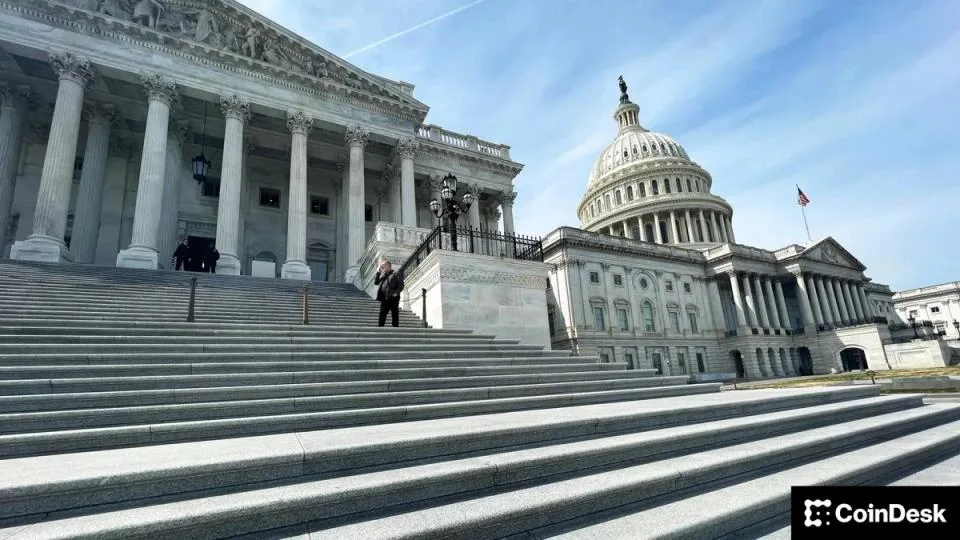
Washington's summer break is arriving just as the cryptocurrency industry was hoping for a legislative breakthrough, leaving major digital asset bills in uncertain territory and stakeholders bracing for another extended wait. Congress's recess puts a hard pause on efforts to establish a clear regulatory framework for crypto markets, a priority that industry advocates have pushed aggressively through 2025.
The push for crypto clarity has been one of the more closely watched policy dramas on Capitol Hill this year, with competing proposals addressing everything from stablecoin oversight to the broader question of which federal agency — the SEC or the CFTC — should hold primary jurisdiction over digital assets. Neither question has found a definitive legislative answer before lawmakers departed.
Read more South Africa Proposes Crypto Tax Rules Under Existing Framework →
The stall matters in practical terms because regulatory ambiguity has long been cited by institutional investors and crypto firms as one of the primary barriers to broader market participation. Without clear rules, compliance costs remain elevated and business planning stays difficult, particularly for companies operating across multiple asset classes.
Analysts watching the space note that the window for meaningful legislative movement narrows considerably during recess, and that any bills not advanced before the break face the added pressure of a crowded fall legislative calendar. The timeline for enacting comprehensive crypto legislation in 2025 has grown more uncertain as a result.
Continue reading at CoinDesk.