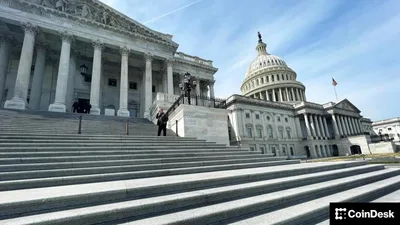
Kalshi and Prediction Markets Face Legal Battles Across the US
Prediction market platform Kalshi and its sector are tangled in multiple legal disputes nationwide, signaling a pivotal regulatory moment.
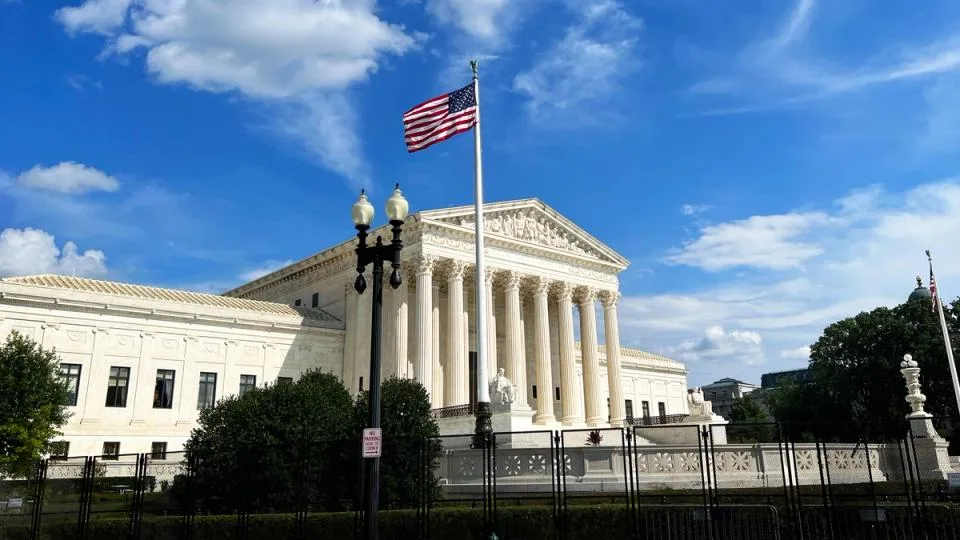
Prediction market platform Kalshi finds itself at the center of a spreading web of legal confrontations across the United States, reflecting growing tensions between an emerging financial sector and the regulatory frameworks struggling to keep pace with it. The disputes span multiple jurisdictions and involve a range of legal questions about how prediction markets should be classified, overseen, and permitted to operate.
The broader prediction market industry is navigating a critical inflection point as platforms that allow users to bet on real-world outcomes — from election results to economic indicators — have surged in popularity. That growth has drawn intensified scrutiny from regulators and legal challengers who question whether these platforms operate as unregulated gambling enterprises or as legitimate financial exchanges subject to federal oversight.
Read more Crypto Regulation Clarity Hangs on Congress Summer Recess →
Kalshi, which secured a landmark legal victory allowing it to offer election contracts, has continued to push the boundaries of what prediction markets can offer American consumers. That aggressive expansion strategy appears to have multiplied the legal fronts on which the company and its peers must now defend themselves, turning courtrooms into a secondary arena for an industry debate that began in regulatory offices.
The mixed outcomes across these legal fights underscore the unsettled nature of prediction market regulation in the U.S. Some rulings have favored platforms seeking to expand, while others have imposed constraints, leaving the industry in a state of legal uncertainty that could take years of litigation and potential congressional action to fully resolve. Investors and participants in these markets are watching closely as each case sets incremental precedents.
For an industry betting on its own legitimacy, the stakes could not be higher. The results of these cases will likely determine how freely prediction markets can operate, who can use them, and what contracts they are permitted to list for American customers. Continue reading at CoinDesk.