Employers Hold the Line on GLP-1 Weight Loss Drug Coverage
Employer coverage of GLP-1 drugs for obesity has stalled at 36%, with many companies actively seeking workarounds to limit costs.
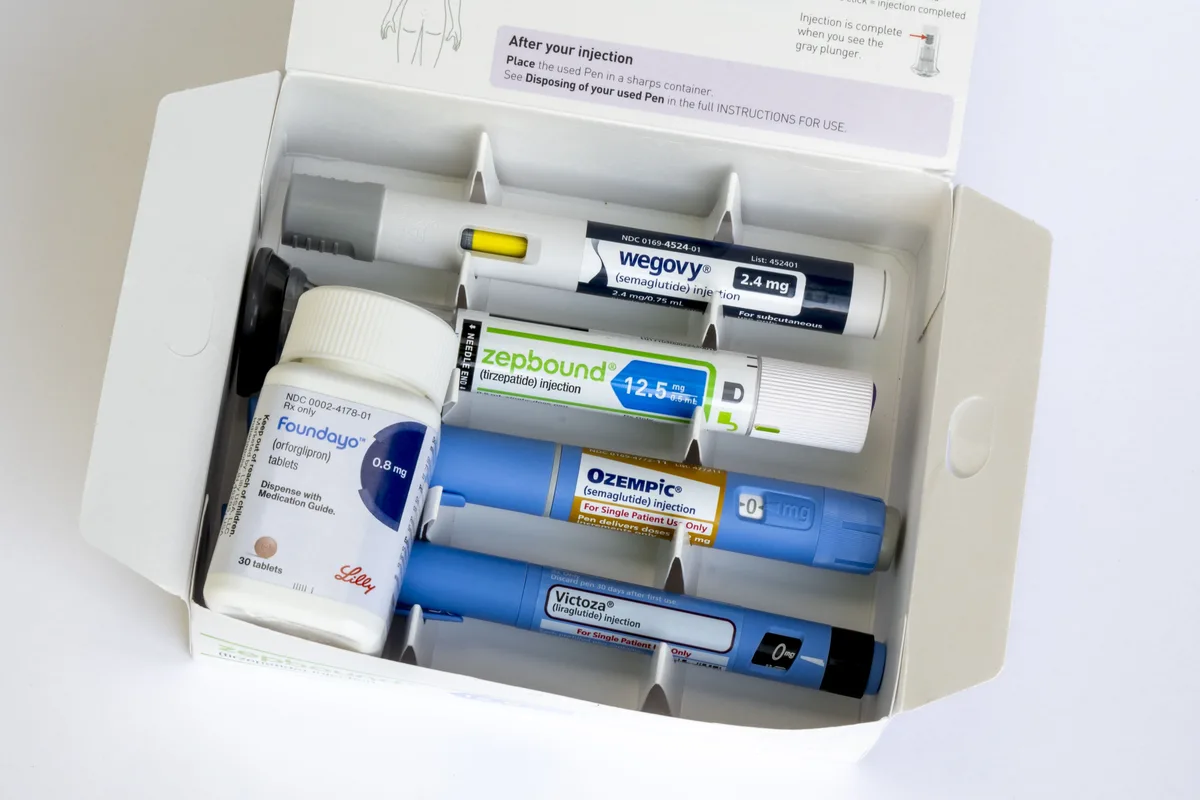
Employer-sponsored health coverage of GLP-1 drugs for obesity treatment has flatlined, with new survey data showing no meaningful expansion in 2025 despite surging demand for the blockbuster weight loss medications. Roughly 36% of employers currently cover GLP-1s for both diabetes and weight loss — an almost negligible increase from 34% in 2024, and unchanged from earlier 2025 figures.
The stagnation signals that while these medications have captured enormous public attention, corporate benefits managers are not rushing to add them to formularies. Instead, many employers appear to be actively engineering workarounds — whether through prior authorization requirements, step therapy protocols, or other cost-containment strategies — to manage exposure to what remain among the most expensive drugs on the market.
Read more MDA Space Moves to Acquire AI Earth Observation Firm CLS →
The numbers reveal a widening gap between employee demand and employer willingness to absorb GLP-1 costs at scale. For workers seeking coverage of drugs like Ozempic or Wegovy for weight management rather than diabetes treatment, access through employer plans remains a coin flip at best, with the majority of workplace plans still declining to cover the obesity indication.
The slow uptake reflects a broader tension in the U.S. healthcare system: GLP-1s have demonstrated significant clinical benefits for weight loss and related conditions, but their high list prices make broad employer adoption a significant financial commitment. Companies covering tens of thousands of lives face potentially enormous aggregate costs if they open the door to obesity coverage without guardrails.
As the market for GLP-1s continues to grow and political pressure mounts to expand access, employers may eventually be forced to revisit their coverage calculus — but for now, the data suggests inertia is winning. Continue reading at US Top News and Analysis.