Iran Uses Strait of Hormuz Stranglehold as Negotiating Weapon
Tehran's repeated opening and closing of the critical waterway is a calculated pressure tactic to extract US sanctions relief and delay a final deal.
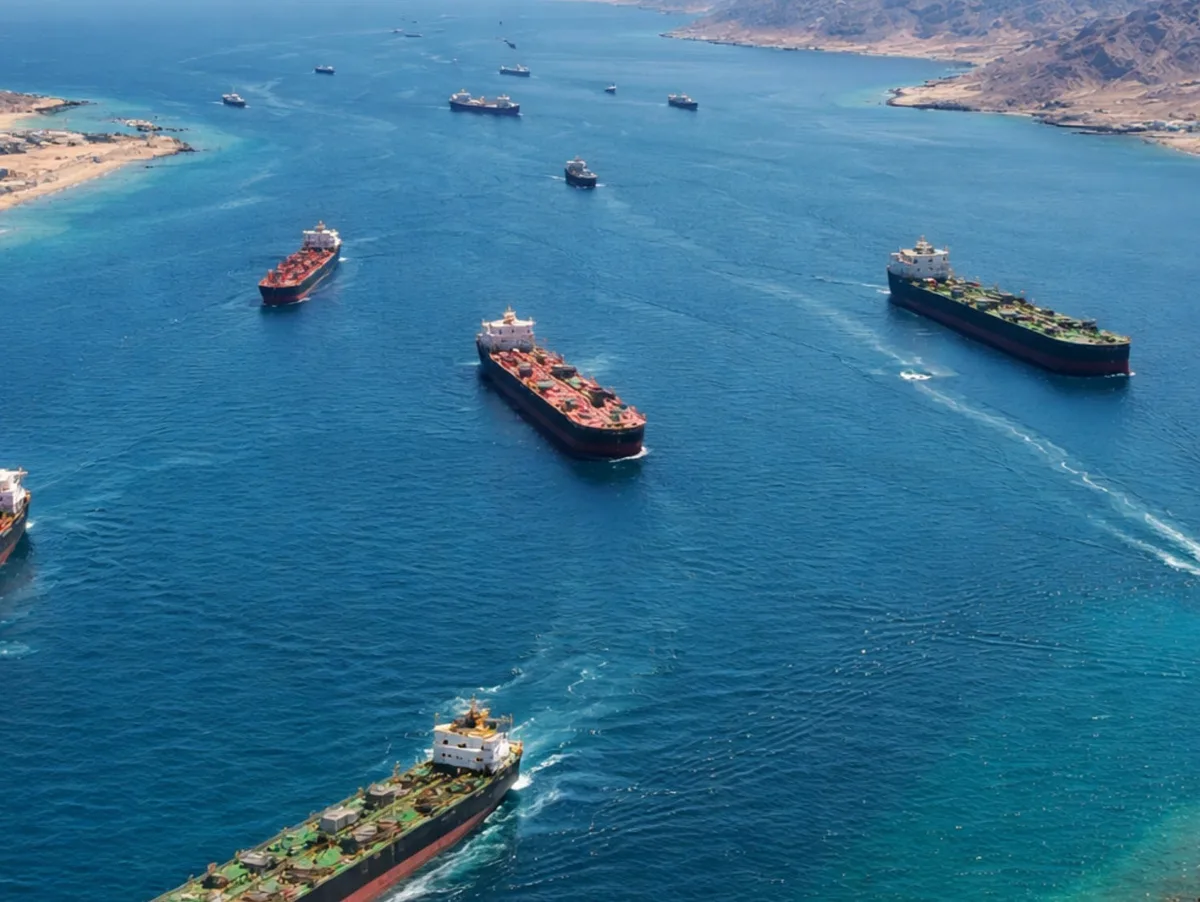
Iran is deploying control over the Strait of Hormuz as its primary bargaining chip against the United States, halting shipping traffic through the world's most critical oil chokepoint after recent US strikes and using the disruption to gain leverage in ongoing nuclear and sanctions negotiations, according to analysis from Forexlive.
President Trump this week declared the deal "over" before quickly signaling openness to resumed talks — a pattern analysts describe as his default de-escalation move. Yet even as diplomatic temperatures edge slightly lower, the strait remains effectively closed, with Tehran deliberately throttling traffic to remind Washington of the consequences of pushing too hard at the negotiating table.
Read more Dow Jones Top Gainers and Losers: Friday Session Movers →
The strategy is deliberately two-pronged. By targeting ships along the waterway, Iran simultaneously demonstrates its leverage and creates a ready-made pretext to pause or abandon talks entirely should the US respond militarily. Tehran can also invoke Israeli strikes in the region as additional justification for delays — all of it, analysts note, calculated theater designed to buy time and prolong the current standoff.
The economic stakes are rising. Global supply chains dependent on raw materials flowing through the strait are already strained, and oil markets are described as drawing down reserves simply to maintain the appearance of stability. Trump may feel insulated while crude prices remain subdued, but a sharp reversal in oil prices could threaten both the broader US economic outlook and his political standing heading into midterm elections — precisely the pressure point Iran is targeting.
The deeper risk, according to the analysis, is that markets are significantly underestimating how serious the situation has become. Iran's end goal is straightforward: extract maximum sanctions relief and the release of frozen funds by keeping the world on edge for as long as possible, with the Strait of Hormuz as the lever it keeps pulling. Continue reading at Forexlive.