Mark Cuban's $100K Advice: Buy Bulk Goods First, Then Bank the Rest
Mark Cuban says stocking up on everyday staples like toothpaste and soup beats almost any investment for guaranteed returns.
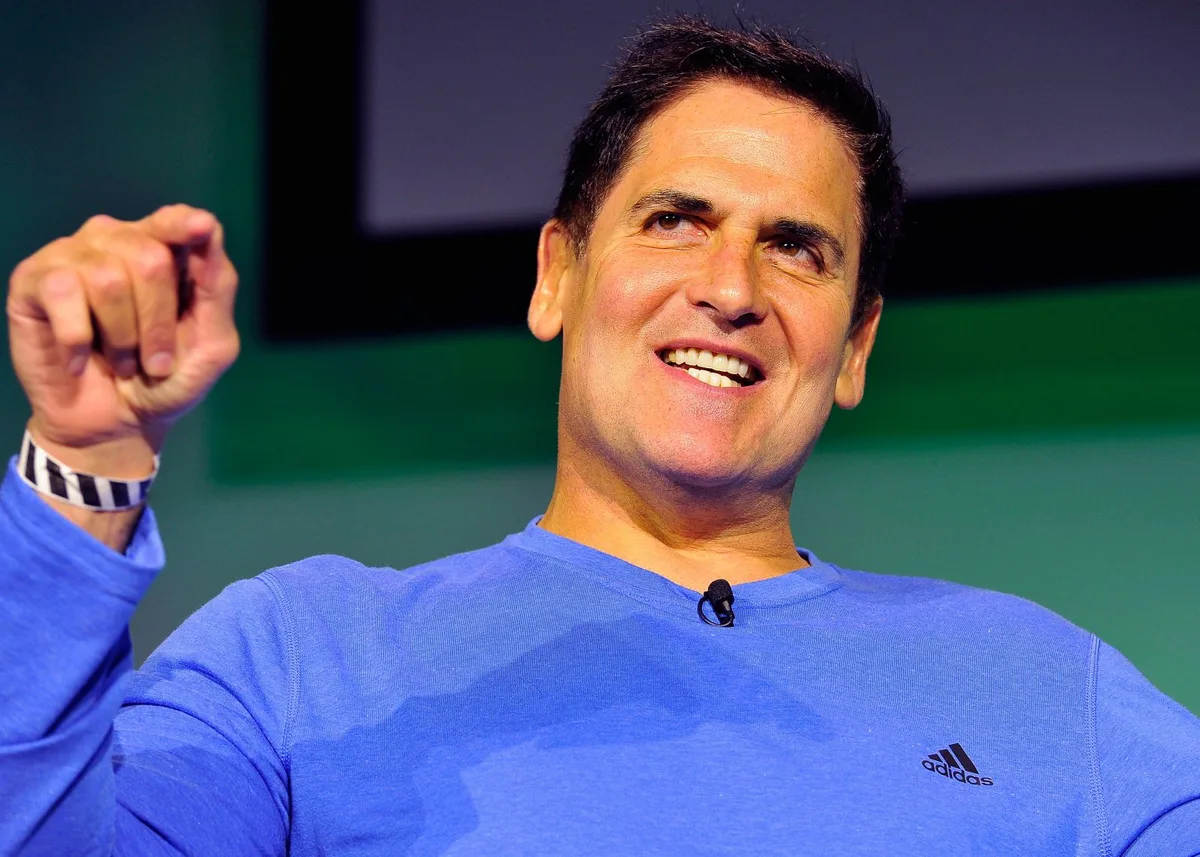
Billionaire entrepreneur Mark Cuban has a counterintuitive money tip for anyone sitting on $100,000: before thinking about stocks or savings accounts, head to a bulk retailer and load up on toothpaste, soup, and other everyday consumer staples. Cuban argues that buying non-perishable goods in bulk delivers the best guaranteed return on investment available to ordinary people, because the savings on items you will inevitably purchase outpace what most financial instruments can reliably promise.
The logic behind Cuban's advice centers on inflation and consumption certainty. When you buy a product you know you will use — toothpaste, canned goods, household supplies — at today's price, you effectively lock in a discount against future price increases. Unlike stocks or bonds, there is no risk of loss on goods you were already going to buy, making the "return" as close to guaranteed as personal finance gets.
Read more Social Security COLA Faces Cuts, Caps, or Elimination in Congress →
As for the remainder of the $100,000 after bulk shopping, Cuban's guidance is surprisingly blunt: put it in the bank and, in his words, "let it earn nothing." The implication is that preserving capital in a safe, liquid account beats chasing yield in uncertain markets for money you may need access to. Cuban's point appears aimed at everyday savers who might otherwise feel pressure to invest aggressively or take on unnecessary risk.
The advice reflects a broader philosophy Cuban has voiced before — that financial security for most people comes not from complex investment strategies but from eliminating guaranteed future expenses and avoiding losses. While the bulk-buying tip may sound simplistic, it underscores a real economic principle: reducing known future spending is a form of return that carries zero downside for the consumer.
Continue reading at Yahoo Finance.