Report: Nvidia Chips May Have Powered China's Moonshot AI Model
A Bloomberg report links Nvidia H200 chips to China's Moonshot AI via Alibaba, raising new questions about export controls.
A new Bloomberg report is challenging the narrative that China built its most advanced artificial intelligence models entirely on domestic technology, finding that Nvidia chips appear to have played a role in the development of Moonshot AI — a Chinese startup that has drawn significant attention for its cutting-edge large language model capabilities.
At the center of the report is an agreement reportedly struck between Alibaba and Moonshot, under which the Chinese e-commerce and cloud giant provided Moonshot with access to Nvidia H200 graphics processing units. The H200 is among Nvidia's most powerful AI-training chips, and its export to China has been subject to scrutiny under U.S. semiconductor restrictions designed to limit Beijing's access to advanced computing hardware.
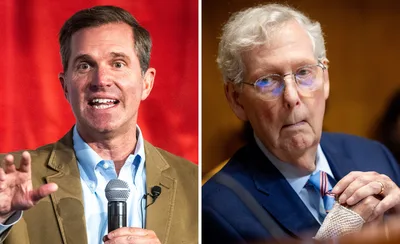
Read more Kentucky Governor Urges McConnell to Prove Fitness or Step Down →
Alibaba pushed back against Bloomberg's reporting, disputing key elements of the account — though the Chinese tech giant did not issue a comprehensive denial of all details contained in the story. The tension between the report and Alibaba's response leaves open significant questions about how and through what channels advanced chips may be reaching Chinese AI developers despite ongoing U.S. export controls.
The findings carry broader geopolitical and regulatory weight at a moment when Washington is intensifying efforts to prevent American chip technology from accelerating China's military and commercial AI programs. If accurate, the report suggests that existing controls may have gaps that allow restricted hardware to flow to Chinese firms indirectly, potentially through cloud-computing arrangements or third-party intermediaries rather than direct sales.
The story adds fresh complexity to the global AI competition narrative and is likely to draw scrutiny from U.S. lawmakers and regulators who have pressed for tighter enforcement of semiconductor export rules. Continue reading at MarketWatch.com