United Airlines Weighs Cabin Options for Delayed Boeing 737 Max 10
United Airlines must now decide how to configure its long-delayed 737 Max 10 jets after certification setbacks pushed back premium seating plans by years.
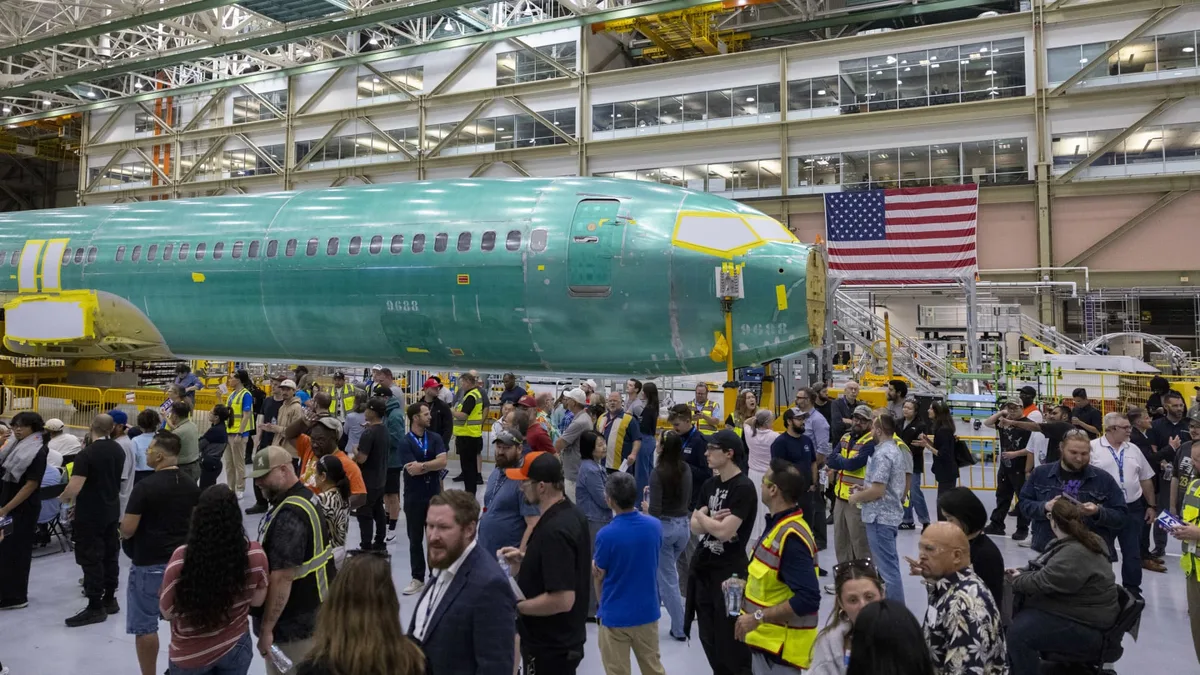
United Airlines faces a strategic cabin dilemma years in the making: what to do with the interior of its Boeing 737 Max 10 fleet now that federal certification of the aircraft has dragged on far longer than the carrier originally anticipated. The airline had planned to outfit the narrowbody jets with lie-flat premium seats, a move that would have set the Max 10 apart from United's existing single-aisle planes and positioned the carrier to compete more aggressively on lucrative routes.
The delay is significant because cabin configuration decisions are not made overnight. Airlines must coordinate with seat manufacturers, secure FAA approval for interior modifications, and align rollout timelines with delivery schedules — a process that can take years even under ideal circumstances. With the Max 10's certification timeline having already slipped repeatedly, United's original interior plans have been left in limbo, forcing executives to reassess what product makes the most sense by the time the jets actually enter service.
Read more LexisNexis Expands Lexis+ With Agentic AI Tools for Lawyers →
The broader context matters here. Boeing's 737 Max program has faced intense regulatory scrutiny following two fatal crashes in 2018 and 2019 that grounded the original Max variants worldwide. The Max 10, the largest and latest variant in the family, requires additional FAA certification steps that have compounded the timeline pressure on airlines like United that ordered the jets years ago expecting earlier delivery.
For United, the stakes are both operational and competitive. A lie-flat seat on a narrowbody aircraft could command meaningfully higher fares on domestic and short-haul international routes, but only if the economics still pencil out given the years of delay and the cost of retrofitting or newly outfitting planes to that specification. The airline must now weigh whether to press ahead with its premium-cabin ambitions, pivot to a more conventional configuration, or find a middle-ground product that balances revenue potential with faster time to service.
Continue reading at CNBC.