Why Warren Buffett Keeps Recommending the Same ETF
Warren Buffett has repeatedly pointed investors toward one specific ETF. Here's the reasoning behind his consistent advice.
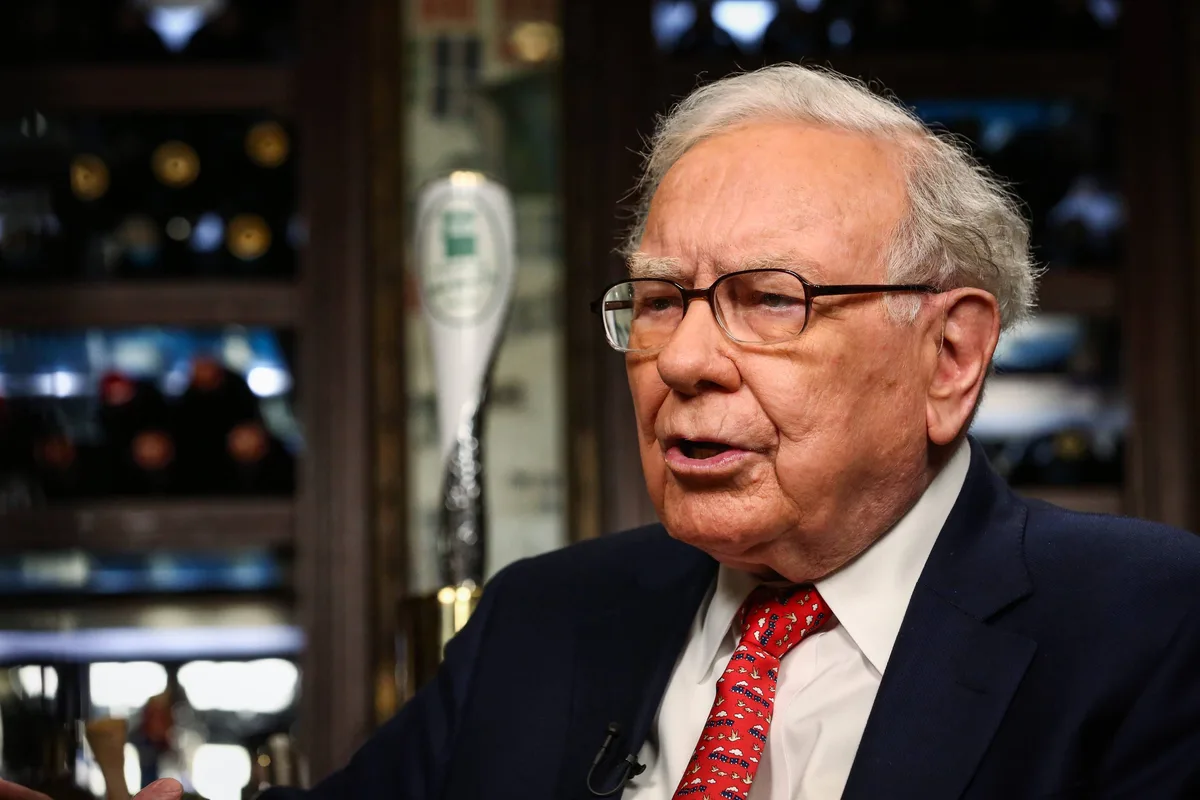
Warren Buffett, the legendary chairman and CEO of Berkshire Hathaway, has made no secret of his go-to investment recommendation for everyday investors: a low-cost S&P 500 index fund. Over decades of shareholder letters, interviews, and public appearances, Buffett has returned to this single idea with a consistency that sets it apart from almost any other financial advice he has offered to the general public.
Buffett's rationale centers on simplicity and cost efficiency. Rather than trying to beat the market — a feat that even most professional fund managers fail to achieve over the long run — he argues that ordinary investors are better served by owning a broad slice of American business at minimal expense. Index-tracking ETFs do exactly that, passively mirroring the performance of the S&P 500 while keeping fees near zero compared to actively managed alternatives.
Read more US Tax Rules Still Apply to Americans Living Abroad →
The underlying conviction is deeply tied to Buffett's long-held faith in the American economy. He has argued that betting against the United States has historically been a losing proposition, and that a diversified basket of the country's largest companies captures the compounding growth of that economic engine over time. For investors who lack the time, expertise, or resources to analyze individual stocks, this approach removes emotion and guesswork from the equation.
Buffett has even formalized this belief in his estate planning, reportedly instructing the trustee of his wife's inheritance to put 90 percent of assets into a low-cost S&P 500 index fund. That personal commitment underscores that his public advocacy is not performative — it reflects the same logic he applies to his own family's financial future.
The message Buffett keeps sending is one of disciplined patience over complex strategy: consistent, low-cost exposure to the broad market tends to outperform most alternatives when measured across full market cycles. Continue reading at Yahoo Finance.